How to Buy Property in Dordogne: What British Expats Need to Know
Buying property in Dordogne as a British citizen is entirely possible — but the process is meaningfully different from the UK. Understanding how it works before you start will save you time, money, and significant stress. This covers every step of buying property in Dordogne — the notaire system, the hidden costs, the survey question, and why you should never use your high street bank for the money transfer.
Buying Property in Dordogne — at a Glance
| Detail | Information |
|---|---|
| Can British citizens buy? | Yes — no restrictions post-Brexit |
| Notaire fees | 7–8% of purchase price |
| Typical process time | 3–4 months offer to completion |
| Deposit at Compromis | 10% of purchase price |
| Cooling off period | 10 days after signing Compromis |
| Survey standard? | No — commission one independently |
| Best money transfer | Wise or specialist currency broker |
| Recommended first step | Rent 6–12 months before buying |
Can British Citizens Still Buy Property in Dordogne After Brexit?
Yes — Brexit has not affected the right of British citizens to purchase property in France. There are no restrictions on foreign ownership. You do not need to be a French resident to buy. However, if you plan to live in the property full-time, you will need a long-stay visa before moving. Buying property in Dordogne and establishing residency are two entirely separate processes — many buyers confuse the two and are caught off guard.
Set Your Budget Realistically
This is where most buyers make their first mistake — underestimating the total cost. Property prices are only part of the picture.
| Property Type | Price Range |
|---|---|
| Renovation project | €50,000–€120,000 |
| Ready to move in | €120,000–€250,000 |
| With pool and land | €200,000–€400,000 |
| Prestige property | €400,000+ |
| Additional Cost | Amount |
|---|---|
| Notaire fees | 7–8% of purchase price |
| Independent survey | €300–€800 |
| Renovation contingency | +20–30% of any estimate |
| Annual taxe foncière | €500–€1,500/year |
| Home insurance | €400–€800/year |
On a €150,000 property, budget an additional €10,000–€12,000 in fees alone before any renovation or furnishing costs.
Finding the Right Property
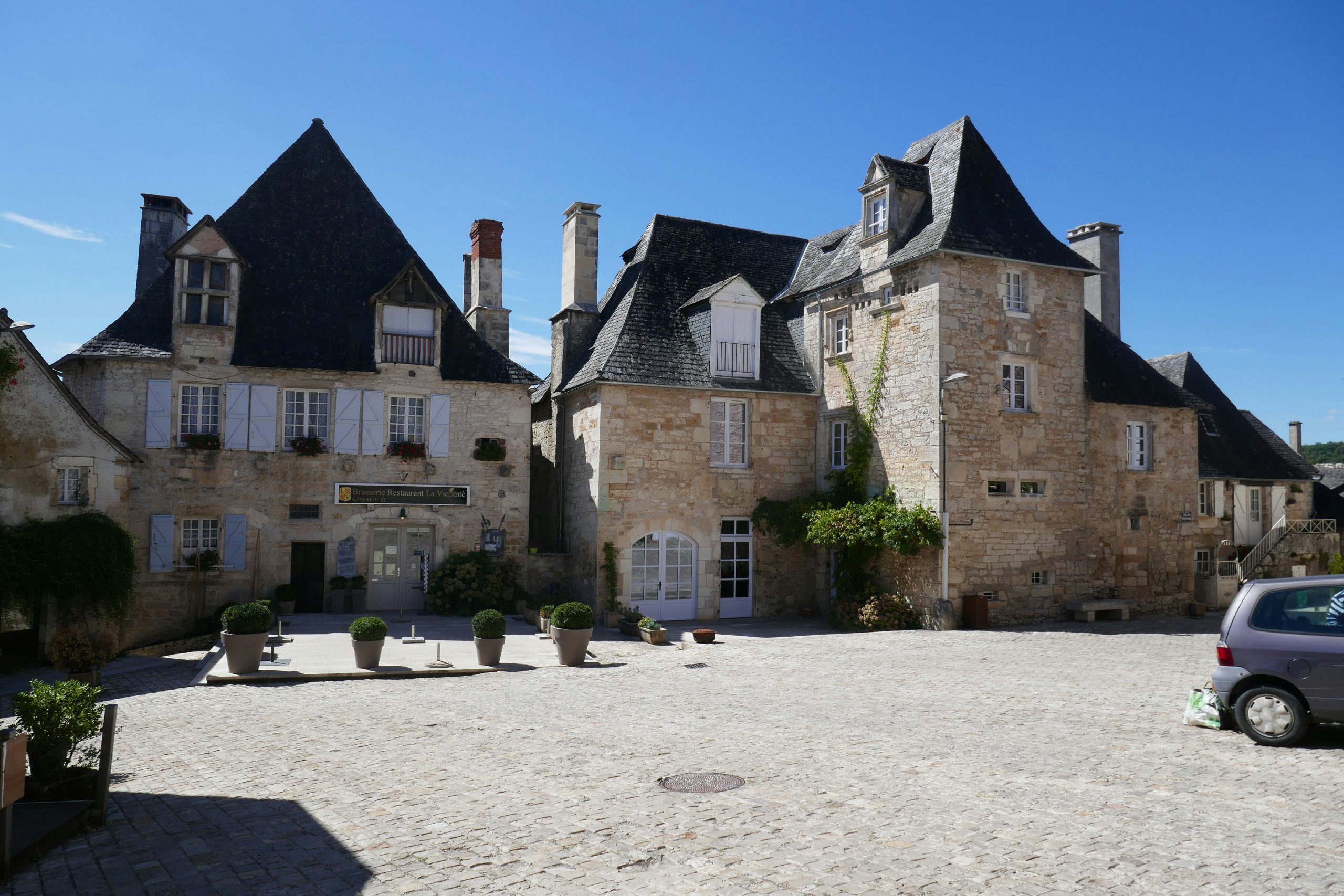
The Dordogne property market is active but not as fast-moving as the UK. Good properties at fair prices do sell quickly — particularly in popular areas like Sarlat, Bergerac, and Eymet. The best agencies for English-speaking buyers: Leggett Immobilier — the largest English-speaking network in France; Beaux Villages Immobilier — specialists in character properties; and local French agencies which often carry properties not listed on major portals.
For online searching, SeLoger is the largest French property portal. LeBonCoin lists private sales and occasionally genuine bargains. Green Acres specialises in rural French properties and is particularly useful for the Dordogne market.
The Role of the Notaire
This is perhaps the biggest difference from the UK system. In France, all property transactions are legally handled by a notaire — a state-appointed legal official. The notaire works for the transaction, not for either party. Both buyer and seller typically use the same notaire, but you have the right to appoint your own — it costs nothing extra as fees are split. The notaire verifies all legal aspects of the property and ensures a clean title. Never buy French property without one.
The Buying Process — Step by Step
- Find your property and negotiate the price
- Sign the Compromis de Vente (preliminary contract) and pay 10% deposit
- 10-day cooling off period — you can withdraw and recover your deposit
- Due diligence period of 2–3 months — surveys, checks, mortgage if needed
- Sign the Acte Authentique de Vente at the notaire’s office
- Pay the remaining balance
- Collect the keys
The full process typically takes 3–4 months from offer to completion.
Getting a Survey
Unlike the UK, structural surveys are not standard practice in France — which catches many British buyers off guard. Always commission an independent survey before signing the Compromis de Vente, particularly for older properties or renovation projects. The diagnostic reports provided by the seller cover specific items (asbestos, lead, termites, energy performance) but are not a full structural survey. A good independent surveyor costs €300–€800 and can save you tens of thousands on an older stone property.
Transferring Money — Don’t Use Your Bank
Transferring large sums from the UK to France through a high street bank is expensive. Banks typically offer poor exchange rates and charge significant fees. Most experienced expat buyers use Wise or a specialist currency broker instead. On a €150,000 purchase, using Wise rather than a high street bank can realistically save €2,000–€4,000 in exchange rate costs alone. On larger purchases, the savings are proportionally greater.
Renovation Projects — The Dream and the Reality
Many British buyers are drawn to buying a ruin and restoring it. It can be deeply rewarding — but realistic expectations are essential. French building regulations are strict and vary by commune. Planning permission (permis de construire) can take months. Finding reliable artisans is genuinely difficult — good ones are booked months ahead. Renovation always takes longer and costs more than estimated — add 30% to any quote as a baseline. Materials and labour costs have risen significantly since 2020.
What works in your favour: stone buildings in the Dordogne are generally structurally sound, local artisans know the traditional building methods, and the result — a restored stone farmhouse in the Périgord — is genuinely special. For artisan recommendations, Pages Jaunes and local expat Facebook groups are the most reliable starting points.
Opening a French Bank Account
You will need a French bank account to complete the purchase and manage ongoing costs. Opening an account as a non-resident is possible but can be bureaucratic. The easiest options: Wise for a multi-currency account that works immediately for non-residents; BNP Paribas for a major French bank with English-speaking services; and Crédit Agricole, which is popular with rural expats and has a good local branch network across the Dordogne.
Tax Implications
Property ownership in France has tax implications that vary depending on your residency status and how you use the property. Taxe foncière is an annual property ownership tax paid by all owners — typically €500–€1,500 per year for a standard Dordogne property. Capital gains tax applies if you sell at a profit. If you rent the property out, rental income is taxable in France. Always consult a qualified French tax advisor (expert-comptable) before purchasing — tax situations vary significantly and professional advice pays for itself.
⚠️ The Most Common Mistakes When Buying Property in Dordogne
Buying without renting first — the area that looks perfect in August can feel completely different in January. Skipping the independent survey — the seller’s diagnostics are not a substitute. Using a high street bank for the money transfer — Wise or a currency broker saves thousands. Underestimating renovation costs — always add 30% to any quote. Not appointing your own notaire — you are entitled to one at no extra cost, and having your own independent legal representation matters. And finally, buying in the wrong area because you only visited in summer — always visit in winter before committing.
Buying Property in Dordogne — Frequently Asked Questions
Do I need to be in France to buy property there?
No. You can sign the Compromis de Vente remotely with a power of attorney. However, most buyers prefer to be present for the final signing at the notaire — it is a significant moment and being there in person avoids potential complications.
Can I get a French mortgage as a British citizen?
Yes. French banks do lend to non-residents, but the criteria are strict. You typically need a 20–30% deposit, proof of stable income, and a clean credit history. Always compare at least three lenders before committing to terms.
How long can I stay in my French property without a visa?
Without a visa, British citizens can stay up to 90 days in any 180-day period in France. For longer stays or full-time residency, a long-stay visa is required. Buying property and establishing residency are two separate legal processes.
Is it safe to buy through an online listing?
Always verify through a registered estate agent or notaire. Never transfer money without proper legal checks. Fraud, while uncommon, does exist — particularly targeting foreign buyers who are unfamiliar with the French system.
Should I rent before buying in the Dordogne?
Yes — strongly recommended. Six to twelve months of renting in Dordogne before buying lets you understand which area genuinely suits your daily life, not just which one looks beautiful on a summer holiday. Read our full article on renting in Dordogne for everything you need to know.
The Bottom Line
Buying property in Dordogne is one of the most rewarding decisions many British expats make — but it rewards those who prepare carefully and go in with realistic expectations. The process is different from the UK but entirely manageable with the right professionals around you. Take your time, get an independent survey, use Wise for your money transfer, appoint your own notaire, and rent first if you can. Buying property in Dordogne done right is a decision most people never regret.
For everything else you need to plan your move, read our articles on the cost of living in Dordogne and renting in Dordogne before you buy. For a complete overview of the region, visit our Dordogne Travel Guide.
Disclaimer: Property laws, tax rules, and market conditions change regularly. Always seek professional legal and financial advice before purchasing. This article reflects information available in 2026.