Getting to Dordogne from the UK
Getting to Dordogne from the UK is easier than most people expect. Whether you are planning a reconnaissance trip before a move, travelling with luggage and a dog, or simply looking for the cheapest option, there is a route that works. This guide covers every realistic way of getting to Dordogne from the UK — flights, ferry, train, and driving — with honest advice on cost, time, and what actually suits different travellers.
Getting to Dordogne from the UK — at a Glance
| Route | Journey Time | Cost (return) | Best For |
|---|---|---|---|
| ✈️ Fly to Bergerac | ~2h flight | €40–€150 | Speed, solo travellers |
| ⛴️ Ferry + drive | 10–14h total | €150–€400 | Families, pets, permanent move |
| 🚂 Eurostar + TGV | 7–8h | €100–€250 | Non-drivers, eco travel |
| 🚗 Drive via Tunnel | 10–12h | €50–€150 | Full car loads, permanent move |
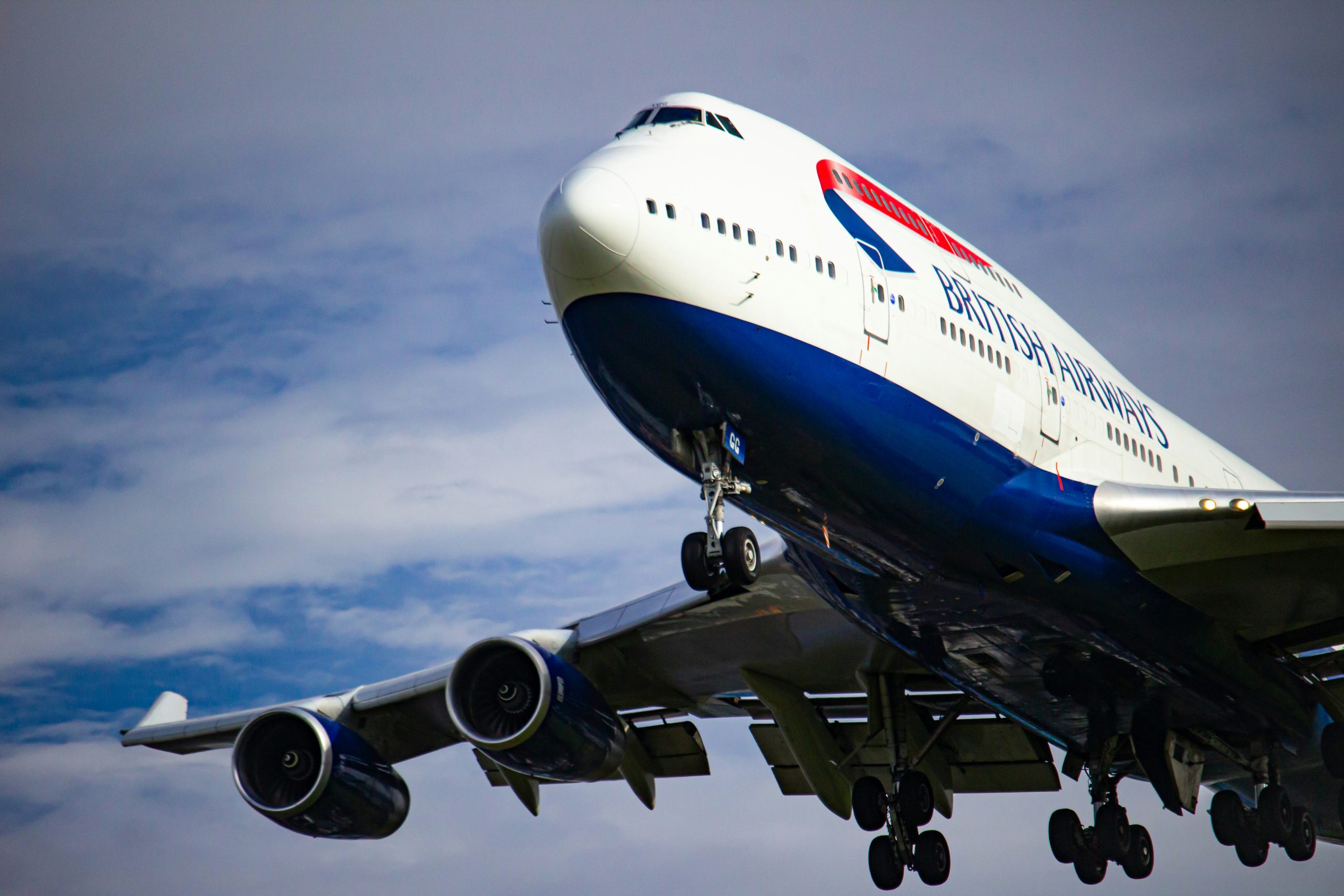
Flying — The Fastest Way of Getting to Dordogne from the UK
The most convenient option for most British travellers is flying directly to Bergerac Airport (EGC), which sits right in the heart of the region. Direct routes run from multiple UK cities, and the flight takes around two hours from London.
| Departure City | Airline | Flight Time |
|---|---|---|
| London Stansted | Ryanair | ~2h |
| London Gatwick | easyJet | ~2h |
| Bristol | Ryanair | ~1h45 |
| Birmingham | Ryanair | ~2h15 |
| Manchester | Jet2 | ~2h30 |
| Edinburgh | Ryanair | ~2h45 |
Flights typically cost €40–€150 return, depending on season and how far in advance you book. Summer flights fill quickly — always reserve early for July and August. Bergerac Airport operates seasonal routes, with the most connections running from March to October. Winter options are more limited.
Alternative airports worth considering: Bordeaux-Mérignac (BOD) offers more frequent flights year-round and is 1h30 by road from Périgueux. Toulouse-Blagnac (TLS) is a strong option for the south of the region, around 2 hours from Sarlat.
Once you land, hiring a car is the most practical way to explore. Compare car hire prices at Bergerac Airport — rates outside peak summer are often very reasonable.
Ferry and Drive — The Expat Favourite
For those moving permanently, travelling with pets, or simply preferring a relaxed journey, the ferry and drive combination is extremely popular among British expats. You keep your car, you pack what you need, and the drive through Normandy and the Loire Valley is genuinely beautiful.
| Ferry Route | Operator | Crossing Time | Drive to Dordogne |
|---|---|---|---|
| Portsmouth → Caen | Brittany Ferries | 6–7h | ~4h30 |
| Portsmouth → Saint-Malo | Brittany Ferries | 9–11h | ~4h |
| Poole → Cherbourg | Brittany Ferries | 4h30 | ~5h |
| Plymouth → Roscoff | Brittany Ferries | 6h | ~5h |
| Newhaven → Dieppe | DFDS | 4h | ~5h30 |
A return crossing with a car typically costs €150–€400 depending on season, vehicle size, and cabin choice. Night crossings are popular — you sleep on board and arrive in France ready to drive. Compare crossing times and fares directly with Brittany Ferries or DFDS for your dates to find the best combination for your trip.
Eurostar and Train — The Green Option
It is entirely possible to reach the Dordogne by train without a car. The route requires a change in Paris, but the connections are reliable, and the journey is comfortable.
London St Pancras → Paris Gare du Nord (Eurostar, 2h15) → Paris Montparnasse by Metro or taxi (30 min) → Bordeaux Saint-Jean (TGV, 2h05) → Périgueux (regional train, 1h15). Total journey time is approximately 7–8 hours. Return fares typically run €100–€250 depending on booking lead time.
Book through Rail Europe or SNCF Connect for the best available prices. Booking 60–90 days ahead usually gives the best fares on the TGV leg.
Driving the Whole Way
Some expats — particularly those making a permanent move with a full car — choose to drive the entire way via the Channel Tunnel. London to Périgueux takes approximately 10–12 hours and is almost always split across two days, with a stop in the Loire Valley or Bordeaux area.
The route: London → Folkestone (Le Shuttle, 35 min) → Calais → Paris (A26/A1, 3h) → Bordeaux (A10, 5h30) → Périgueux (A89, 1h). Le Shuttle return costs €50–€150 depending on the season. French motorway tolls add approximately €60–€80 for the full journey south.
Getting Around Once You Arrive
This is information that most travel guides miss. The Dordogne is a rural region — public transport within the area is very limited. A car is essential for daily life outside Périgueux and Bergerac. Local buses exist but are infrequent and do not serve most villages. If you are visiting before committing to a move, hiring a car at Bergerac airport is the best way to explore the region properly. Check car hire availability at Bergerac Airport — booking in advance is always cheaper than arriving without a reservation.
⚠️ Best Time to Travel
| Season | Pros | Cons |
|---|---|---|
| Spring (Apr–Jun) | Beautiful, uncrowded, cheap flights | Some attractions not yet fully open |
| Summer (Jul–Aug) | Everything open, lively atmosphere | Very busy, expensive, hot |
| Autumn (Sep–Oct) | Perfect weather, harvest season | Fewer flight options |
| Winter (Nov–Mar) | Very cheap, authentic local life | Some restaurants closed, cold |
For a reconnaissance trip before moving, May or September are ideal — good weather, reasonable prices, and far fewer tourists than peak summer.
Getting to Dordogne from the UK — Frequently Asked Questions
Is Bergerac airport open all year?
Bergerac airport operates seasonal routes, with the most flights running from March to October. Winter connections are more limited — check current schedules before booking if you are travelling between November and February.
Can I bring my pet from the UK to France?
Yes. Post-Brexit, pets need a valid Animal Health Certificate, an up-to-date rabies vaccination, and a microchip. Check current DEFRA requirements before travelling, as rules can change. The ferry is generally easier for pets than flying.
How long does the ferry take from the UK?
Depending on the route, between 4 and 11 hours. Night crossings are popular — you sleep on board and arrive in France in the morning, ready to drive south. The Portsmouth to Saint-Malo overnight crossing is particularly well-liked by expats making the permanent move.
Is it cheaper to fly or take the ferry?
For one or two people with minimal luggage, flying is usually cheaper. For families, couples with lots of luggage, or anyone relocating permanently, the ferry almost always offers better overall value — especially when you factor in car hire costs at the other end.
Do I need a car in the Dordogne?
Yes — in virtually all rural areas. Most expats who arrive thinking they might manage without a car quickly change their minds. Public transport between villages is minimal. Budget for car hire if visiting, or factor in a vehicle purchase as part of your relocation plan.
The Bottom Line
Getting to Dordogne from the UK is straightforward whichever route you choose. For speed, fly direct to Bergerac. For the full experience of a permanent move, the ferry through Normandy marks the beginning of a new chapter in a way that a two-hour flight cannot. However you plan on getting to Dordogne from the UK, the journey is the easy part — what awaits at the other end makes the effort worthwhile.
Already planning your move? Read our complete guide to buying property in the Dordogne and our breakdown of the cost of living. For everything else about life in the region, visit our Dordogne Travel Guide.
Disclaimer: Travel routes, prices, and schedules change regularly. Always verify current timetables and fares directly with operators before booking. This guide reflects information available in 2026.