Retiring in the Dordogne: Honest Guide for British Expats
Retiring in the Dordogne is a decision I’ve watched hundreds of British people make from the front seat of my taxi. Someone between Bordeaux and the Périgord, looking at the countryside rolling past the window, asks a question they’ve been putting off for years: Why am I still there? The answers are almost always the same — the calm, the space, the cost, the pace of life. This guide covers what retiring in the Dordogne actually involves, practically and financially, for British expats considering the move.
Retiring in the Dordogne — at a Glance
| Topic | Key Facts |
|---|---|
| Minimum comfortable income | €2,500/month for a couple |
| Property (renovated village house) | €150,000–€250,000 |
| Healthcare cost (mutuelle 60–65) | €80–€130/person/month |
| Residency requirement | Carte de séjour via préfecture |
| Driving licence | UK licence must be exchanged |
| Tax residency threshold | 183+ days per year in France |
| British expat community | Large and well established |
Why the Dordogne Specifically
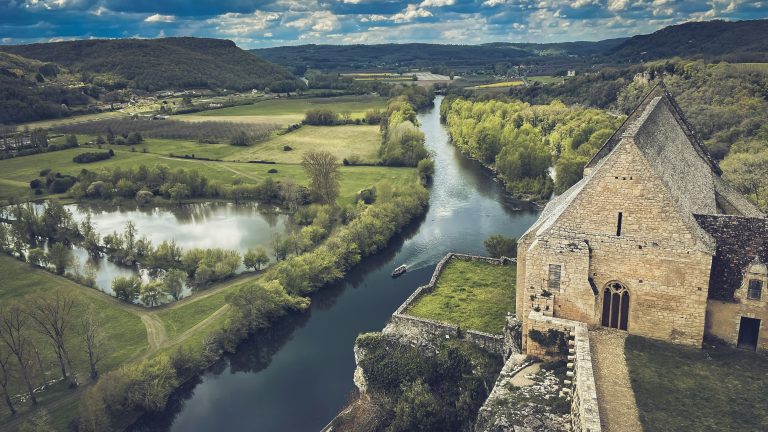
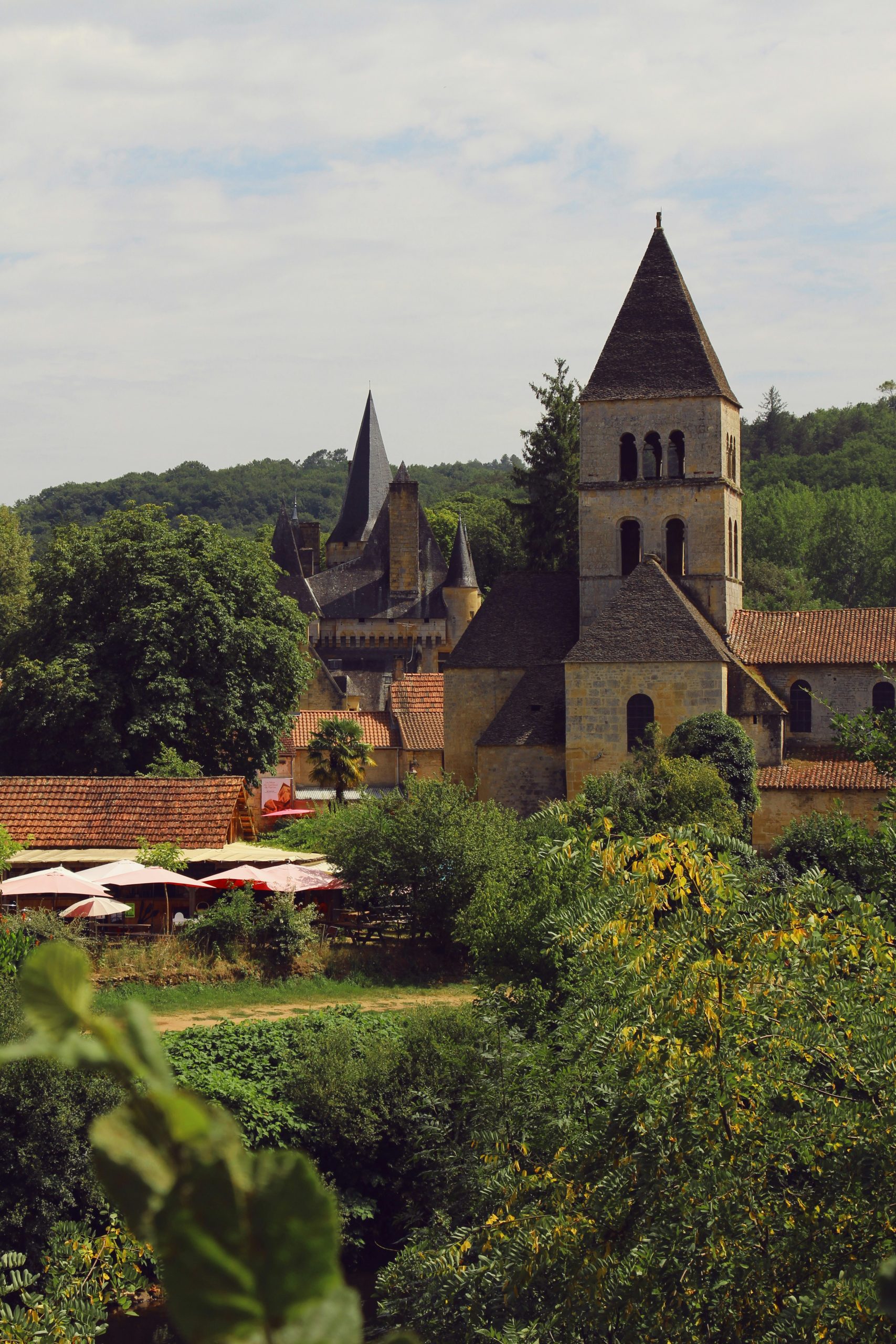
There are cheaper places in France. There are warmer places. There are places with fewer British expats if that is what you are after. But the Dordogne has a particular combination that keeps drawing retirees from the UK. The landscape is genuinely beautiful — not in a dramatic Alpine way, but in a quiet, rolling, medieval way that gets under your skin. The pace of life is slow enough to actually enjoy. The expat community is large enough to ease the transition without making it feel like you never left home.
The contrast with London is stark. No commute. No noise. No feeling that the city is something you have to survive. Just countryside, markets, rivers, and time. After years of London — the noise, the pace, the sense that the city demands more than it gives — the silence of rural France can feel like something physical. Like putting down a weight you had forgotten you were carrying.
The Financial Case for Retiring in the Dordogne
For most British retirees, the numbers are straightforward. A combined retirement income of £2,000–£2,500 per month — state pension plus private — buys a comfortable life in the Dordogne. The same income in London buys considerably less.
Property: a renovated stone house with a garden in a Dordogne village costs €150,000–€250,000. Food and drink: a three-course lunch in a local restaurant costs €13–€18, a glass of wine in a village bar costs €3, and a morning baguette costs €1.20. These are not dramatic savings individually — over a retirement, they add up significantly. Healthcare: once registered with the French system, a GP consultation costs €25–€30, with most reimbursed by the state. A good mutuelle covers the rest for €80–€130 per month per person. Read our full cost of living guide for the complete breakdown.
Quality of Life — The Real Reason People Move
The financial case is real, but it is not why most people make this move. They make it because of the Saturday market in Sarlat. Because of the walnut oil from the farm two villages over. Because of the neighbour who brings tomatoes from his garden in August and expects nothing in return. Because of the afternoons that do not need to be productive to feel worthwhile.
The weather helps too. The Dordogne is not Provence — winters are real and can be grey. But the summers are long and warm, the springs arrive earlier than in the UK, and the overall balance of sun and temperature is noticeably better than anywhere in Britain.
The Practical Steps — What You Actually Need to Do
Residency: Since Brexit, British citizens need to apply for a carte de séjour to live in France legally. Applications go through the local préfecture. Budget several months for the process — start as early as possible.
Healthcare: Register with the CPAM as soon as you arrive. Keep private health insurance until your Carte Vitale arrives — typically 3–6 months after registration. Read our full guide on healthcare in France for British expats.
Tax: France and the UK have a double taxation treaty — you will not pay tax twice on the same income. Once you become a French tax resident (spending more than 183 days per year in France), you must declare your worldwide income in France. Take proper professional advice before you move. The UK Government’s guide to living in France covers the current residency requirements clearly.
Driving licence: UK licences are no longer automatically valid in France for long-term residents. You will need to exchange your UK licence for a French one — a process that has improved in recent years but still requires time and paperwork.
Integration — The Part Nobody Talks About Enough
Learning French — even imperfectly — makes an enormous difference. Not just practically, but in terms of how you feel about being here. The neighbours who become friends rather than just people you wave at. The conversations at the market go beyond pointing at vegetables. Most retirees who integrate well say the same thing: they made the effort early, felt foolish for a while, and then one day noticed that French had stopped feeling like an obstacle. Read our guide on learning French as a British expat.
The expat community is a resource and a crutch in equal measure. Use it for support and practical help. But do not let it become the whole of your social life — you will miss what the region actually offers.
The Dordogne vs Other Retirement Destinations
Many British retirees choose the Algarve in Portugal, the Costa del Sol in Spain, or other parts of France entirely. What retiring in the Dordogne offers that most alternatives do not: a large established English-speaking community without being overwhelmed by it; property prices that remain reasonable compared to coastal alternatives; a genuine French rural experience rather than an expat bubble; proximity to Bordeaux airport for regular UK visits; and countryside and culture rather than just sunshine and beaches. It is not for everyone — but for someone who wants space, beauty, community, and a life that costs less and feels like more, the Dordogne makes a strong case.
⚠️ Common Mistakes to Avoid
Not starting the carte de séjour application early enough — the préfecture process takes longer than most people expect. Not keeping private health insurance during the CPAM waiting period. Underestimating renovation costs when buying a property that needs work — the budget has increased significantly since 2022. Relying entirely on the expat community and not learning French. And finally, not taking professional tax advice before establishing French residency.
Retiring in the Dordogne — Frequently Asked Questions
Can I retire to France on just a UK state pension?
The full UK state pension alone — currently around £11,500 per year — would be tight but possible in rural Dordogne, particularly if your property is owned outright. Most people supplement it with a private pension or savings for a more comfortable life.
Do I need to speak French to retire here?
Not to get by day to day, the expat community is large enough to manage without French. But learning the language makes the experience significantly richer and integration much easier. Most people who try, even imperfectly, say it transformed their experience.
What happens to my NHS entitlement when I move?
You lose NHS entitlement as a French resident. You will need to register with the CPAM and take out a mutuelle for top-up coverage. NHS treatment is only available during visits back to the UK.
How long does the carte de séjour process take?
Budget several months from application to receipt. Start the process as early as possible after arriving in France. Living without the correct documentation creates complications that are entirely avoidable with early planning.
What is the biggest mistake British retirees make?
Not learning French, and staying too close to the expat community. Both are understandable in the early months — but both limit the experience considerably over time. The Dordogne rewards those who engage with it fully.
The Bottom Line
Retiring in the Dordogne suits a particular kind of British retiree — someone who wants space, beauty, community, and a life that costs less and feels like more. The practical steps are manageable with patience and organization. The quality of life, once settled, consistently exceeds expectations. Retiring in the Dordogne is not the easiest move you will ever make — but for those who commit to it fully, it is rarely one they regret.
For everything you need to plan your move, read our guides on the cost of living in the Dordogne, healthcare in France for British expats, and how to buy property in the Dordogne. For a full overview of the region, visit our Dordogne Travel Guide.
Disclaimer: Rules around residency, taxation, and healthcare change regularly. Always seek professional legal and financial advice before making relocation decisions. This guide reflects information available in 2026.