
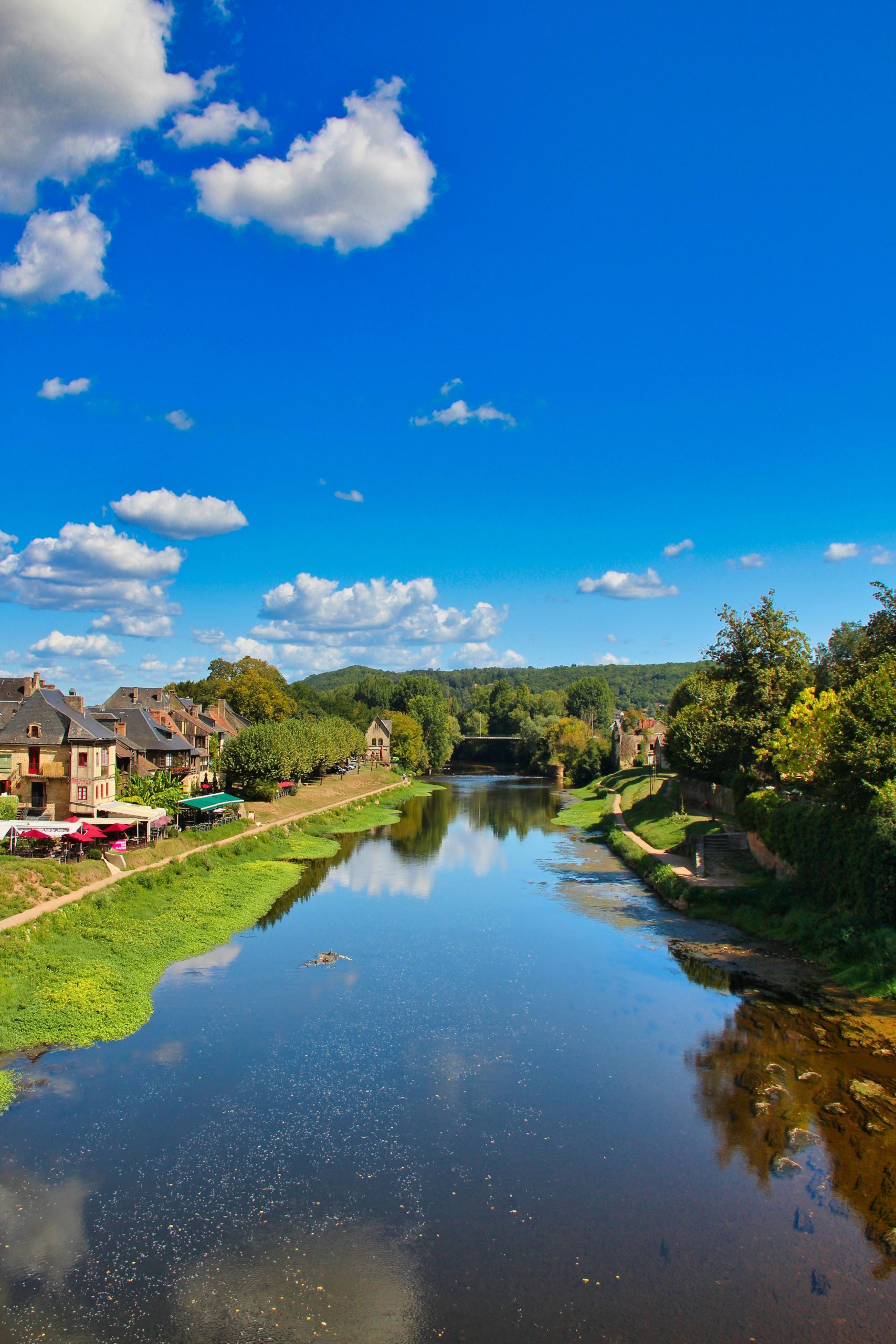
Renting in Dordogne: Essential Guide for First-Time Expats
Renting in Dordogne before buying is the smartest decision most newcomers never make. I have driven dozens of British and Dutch passengers straight from the airport to a house they bought after a single viewing trip — and watched some of them regret it within a year. Renting in Dordogne for six months to a year first lets you learn which village actually suits you, where the doctor is, and whether the winters feel different from what the brochure promised. This guide covers everything you need to know before signing a lease.
Renting in Dordogne — at a Glance
| Detail | Information |
|---|---|
| Typical rent (2-bed village house) | €500–€800/month |
| Typical rent (larger rural property) | €800–€1,400/month |
| Deposit required | 1–2 months’ rent |
| Standard lease length | 1 or 3 years (unfurnished), 1 year (furnished) |
| Agency fees | Capped by law, shared tenant/landlord |
| Best platforms | Leboncoin, SeLoger, local agencies |
| Recommended rental period before buying | 6–12 months |
Why Renting in Dordogne First Makes Sense
Buying a house in a country you do not yet know well is one of the most common and most expensive mistakes British and Dutch expats make in the Dordogne. A village that feels perfect in August, full of sunshine and open shutters, can feel completely different in January when half the shops are closed, and the nearest open boulangerie is fifteen minutes away. Renting in Dordogne for a year gives you a real winter, a real summer, and a real sense of daily life before committing six figures to a property you cannot easily undo.
It also gives you time to understand the practical geography that no map fully captures — which villages have a year-round doctor, which have a school bus route, which are ten minutes from a supermarket, and which are forty. Renting in Dordogne first is not a delay. It is due diligence.
What Renting in Dordogne Actually Costs
Rental prices vary significantly by area and property type. A two-bedroom house in a village in the Périgord Vert or Périgord Blanc typically costs €500–€700 per month. The same property near Sarlat or in the Périgord Noir can cost €700–€900, reflecting the area’s popularity. Larger rural properties with land — the kind many expats eventually want to buy — rent for €800–€1,400 per month, depending on size and condition.
A deposit of one to two months’ rent is standard. Agency fees, when an agency is involved, are capped by French law and split between tenant and landlord — you will not be charged an unreasonable finder’s fee as can happen in the UK rental market.
Furnished vs Unfurnished — What to Choose
For a first year of renting in Dordogne, furnished is almost always the better choice. You avoid the cost and hassle of buying furniture for a property you do not yet know you want to stay in, and furnished leases are typically shorter — one year rather than three. Unfurnished leases run for three years by default in France, with the tenant able to leave with three months’ notice, but the landlord is far more restricted. For a trial period, furnished and flexible is the right combination.
Where to Find Rental Properties
Leboncoin is the largest classified ads site in France and the single best starting point for renting in Dordogne — far more listings than any English-language site. SeLoger and PAP (Particulier à Particulier) are strong alternatives, particularly PAP for properties without agency fees. Local estate agencies in Sarlat, Bergerac, and Périgueux also handle rentals, not just sales, and are worth visiting in person — many rural landlords still prefer a local agency relationship over an online listing. Expat Facebook groups occasionally have rental listings shared directly by departing expats, which can be some of the best opportunities since you are renting from someone who understands your situation.
The Paperwork — What You Will Need
French landlords typically ask for a dossier before agreeing to a lease: proof of income or pension (often three times the monthly rent), a passport or residency document, proof of current address, and sometimes a French guarantor or proof of sufficient savings if you are newly arrived without French payslips. This can feel like a hurdle for newcomers without a French employment history, but landlords renting to retirees or remote workers with clear pension or savings evidence are generally accommodating once they understand the situation. Being upfront and organised with documentation from the start speeds the process considerably.
Choosing the Right Area While Renting
Use your rental period deliberately. If you are unsure whether you want Périgord Noir’s tourist energy, Périgord Vert’s quiet affordability, or Périgord Pourpre’s wine country and easy airport access, consider renting in a central location like Périgueux or Le Bugue for the first few months, then moving to a second rental in your preferred area once you have explored more. Many expats who do this say it saved them from buying in the wrong place — the area that looks ideal on a week’s holiday is not always the area that suits daily life.
⚠️ Common Mistakes When Renting in Dordogne
Signing a long lease before exploring the area — a one-year furnished lease gives far more flexibility than a three-year unfurnished commitment. Not budgeting for heating — many rural properties use oil or wood heating, and winter costs can be a genuine surprise for first-time renters from milder UK climates. Skipping the état des lieux (the official inventory of condition at move-in) — this document protects your deposit and should be thorough and signed by both parties. Renting somewhere remote without testing the practical reality of rural isolation, particularly in winter when daylight is short, and roads can be quiet for long stretches.
Renting in Dordogne — Frequently Asked Questions
How long should I rent before buying in the Dordogne?
Most advisors and experienced expats recommend six to twelve months. This covers at least one full change of season and gives enough time to genuinely understand an area before making a property purchase you cannot easily reverse.
Do I need a French guarantor to rent?
Not always. Landlords renting to retirees or remote workers with clear pension or income evidence often accept this in place of a guarantor. Having documentation ready — proof of pension, bank statements, residency status — significantly smooths the process.
Is it hard to find rentals as a foreigner?
Not particularly, especially with clear income documentation. The main challenge is volume — rural areas simply have fewer listings than cities, so renting in Dordogne sometimes requires patience and flexibility on exact location and move-in date.
What is included in a typical rental agreement?
French leases specify rent, deposit, notice periods, and an état des lieux describing the property’s exact condition at move-in. Utilities are usually separate from rent unless explicitly stated. Always read the lease carefully or have a French-speaking friend review it before signing.
Can I rent short-term while house-hunting?
Yes. Gîtes and holiday rentals offer flexible short-term arrangements, though at a premium compared to standard leases. Many expats use a short-term rental for the first month while searching for a longer furnished lease in their target area.
The Bottom Line
Renting in Dordogne before buying is not a step to rush through. It is the single best decision most newcomers can make to avoid an expensive mistake. A year of renting in Dordogne costs a fraction of what a poorly chosen property purchase can cost in regret, renovation surprises, or resale difficulties. Use the time deliberately — explore different areas, test a real winter, and only buy once you genuinely know where you want to be.
When you are ready to buy, read our complete guide to buying property in the Dordogne and our honest cost of living breakdown. For a full overview of the region, visit our Dordogne Travel Guide.
Disclaimer: Rental laws, prices, and market conditions change regularly. Always seek professional or legal advice before signing a lease. This guide reflects information available in 2026.