Best Campsites in Dordogne for Families: The Insider Picks
The best campsites in Dordogne for families are nothing like the crowded, overpriced sites that dominate most booking platforms. I have driven families through this region for years — dropping them at riverside sites, picking them up at château entrances, watching children who arrived glued to screens spend a week entirely outside. The Dordogne is one of the finest camping destinations in Europe, and families who choose it carefully come back year after year. This guide covers what actually works — the sites, the areas, and the things most booking platforms never tell you.
Campsites in Dordogne for Families — at a Glance
| Detail | Information |
|---|---|
| Best area for families | Périgord Noir — Sarlat, La Roque-Gageac, Beynac |
| Best months | June and September — warm, less crowded than July/August |
| Average pitch price (July) | €25–€45/night for 2 adults + 2 children |
| Glamping/mobile home | €60–€150/night depending on site and season |
| Book in advance | Essential for July/August — good sites sell out in January |
| Nearest airport | Bergerac — direct UK connections, 45 min from Sarlat |
Why the Dordogne Works So Well for Family Camping
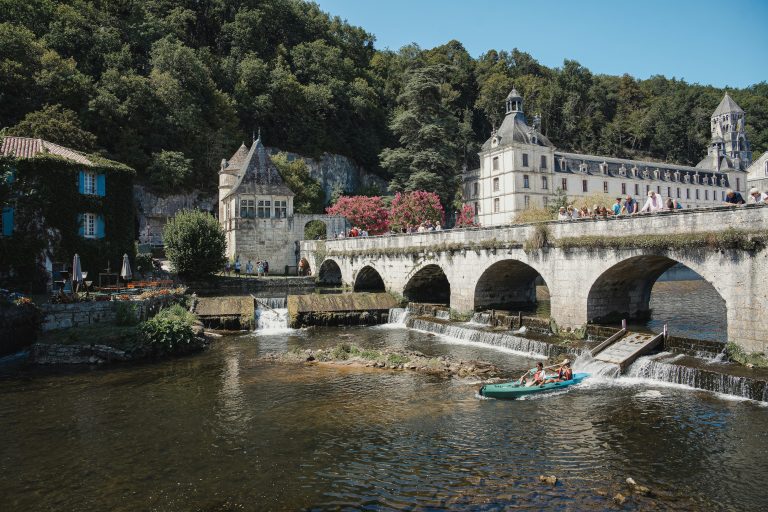
Few regions in France combine what families actually need as well as the Dordogne does. The river is calm enough for young children to canoe. The châteaux are close enough to visit without a full day’s driving. The markets give children a direct encounter with food that tastes different from anything at home. And the campsites themselves — particularly the smaller, family-run ones — have a character that chain sites and holiday parks simply do not.
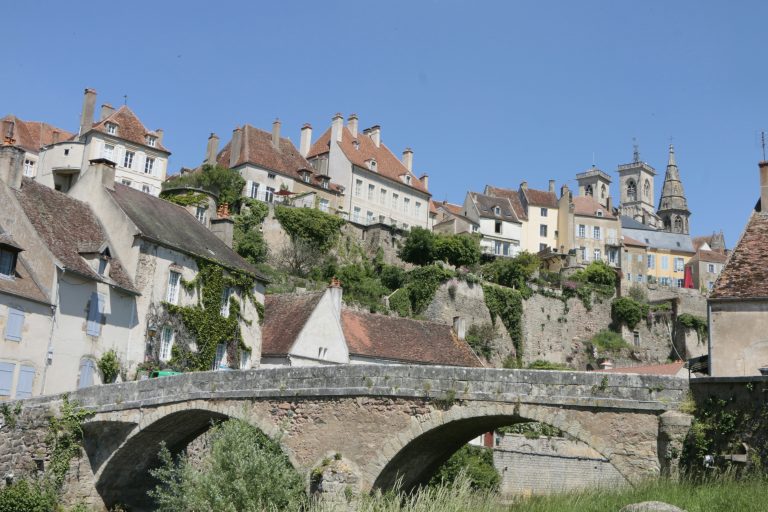
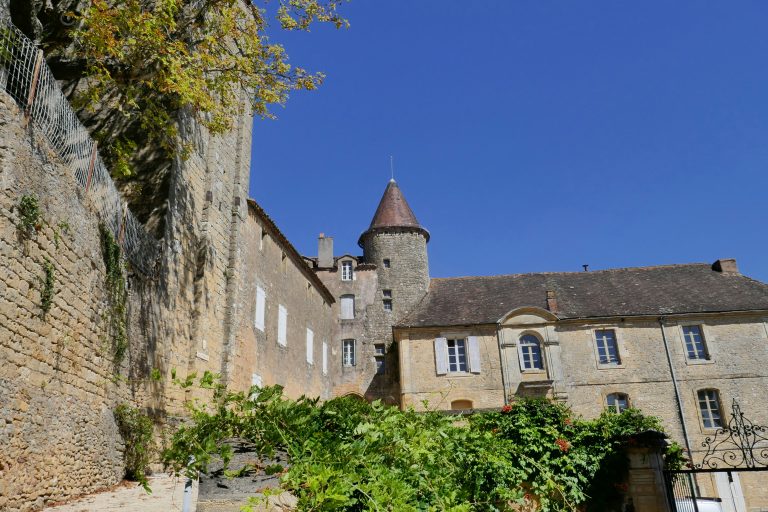
The Périgord Noir, around Sarlat and the Dordogne river valley, is the most popular area for campsites in Dordogne for families — and for good reason. Medieval châteaux visible from the riverbank. Canoeing available from sites directly on the water. Evening light on limestone cliffs that makes even teenagers put their phones down.
The Best Areas for Campsites in Dordogne for Families
The Dordogne river valley (La Roque-Gageac to Beynac) is the most rewarding stretch for families. Sites here sit directly on or within walking distance of the river, with canoeing, château visits, and the Sarlat Saturday market all within easy reach. This is where most returning families base themselves.
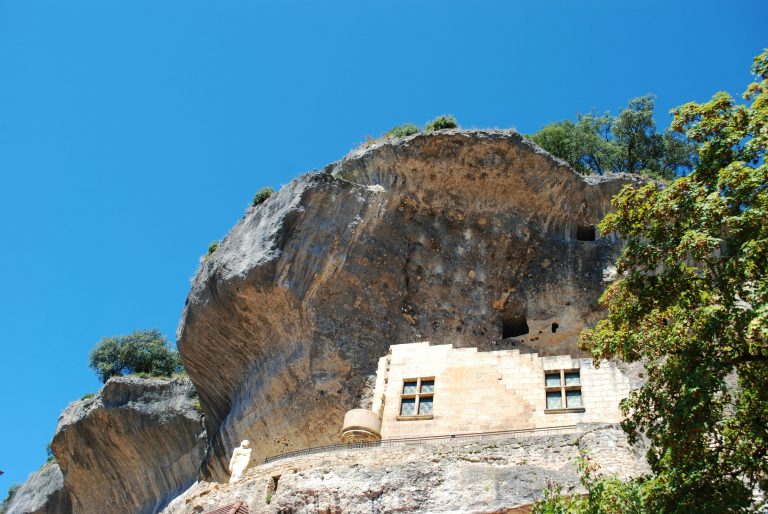
The Vézère valley (Les Eyzies to Montignac) suits families with older children interested in prehistory. Lascaux IV is a 20-minute drive from most sites in this valley, and the National Museum of Prehistory at Les Eyzies is one of the finest family museums in France. Quieter than the Dordogne river valley, with a slightly more local feel.
The Périgord Vert (north Dordogne) is the best choice for families who want to avoid the summer crowds entirely. Sites here are smaller, quieter, and significantly cheaper. The trade-off is distance from the main tourist attractions — but for families who want nature, rivers, and space over queues and châteaux, it works exceptionally well.
What to Look for in Campsites in Dordogne for Families
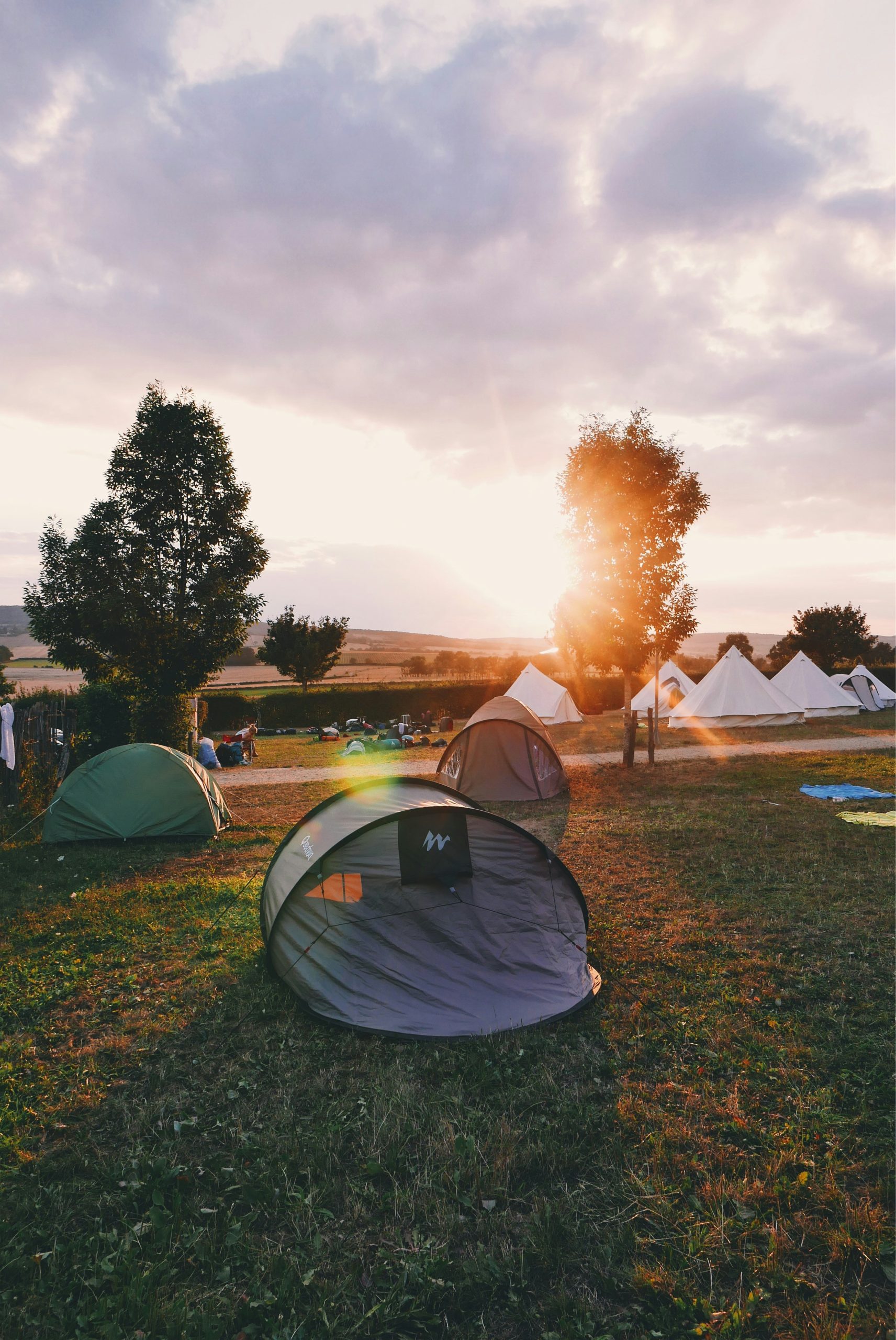
River access or a good pool — in July temperatures regularly reach 35°C, and children need water. Direct canoeing from the site is the gold standard. Sites with a snack bar or small shop reduce the daily logistics for parents who want to relax rather than plan. Shade — pitches under trees make a genuine difference in high summer. And size matters: large sites with 300+ pitches can feel anonymous and loud; sites of 50–150 pitches tend to have more character and better facilities relative to their size.
According to Dordogne Périgord Tourisme, the département has over 200 classified campsites — the density is one of the highest in France. The challenge is not finding a campsite. It is finding the right one.
How to Book Campsites in Dordogne for Families
For the best sites in July and August, book in January or February. This is not an exaggeration — the sites with direct river access and good facilities fill up months in advance. Pitchup and Camping.com cover the widest range of Dordogne sites. For smaller, family-run sites that do not always appear on the main platforms, searching directly in French on Leboncoin or the departmental tourism website finds options the booking algorithms miss.
Search available campsites in Dordogne for your dates
Getting There — The Practical Details
Bergerac Airport has direct connections from multiple UK cities and puts you 45 minutes from the heart of the Dordogne river valley. A hire car is essential — campsite locations rarely have public transport, and the freedom to reach markets, châteaux, and canoe hire points makes the holiday. Compare car hire prices at Bergerac Airport — booking in advance is significantly lower than arriving without a reservation. For full route options from the UK, read our guide on getting to Dordogne from the UK.
What to Do Near the Campsites
Canoeing between La Roque-Gageac and Beynac takes two to three hours and passes directly beneath some of the region’s most dramatic châteaux — families with children from six years old manage it comfortably. Lascaux IV at Montignac is the most extraordinary children’s museum in France — prehistoric cave paintings recreated in full scale, open year-round. The Gouffre de Padirac underground river trip suits children from around eight years old and consistently produces the reaction that makes families come back to the Dordogne every year.
Book a guided family experience in the Dordogne
⚠️ Things to Know Before You Book
July and August are genuinely hot — temperatures regularly exceed 35°C by midday. A site with shade and water is not optional; it is essential. Peak season prices are significantly higher than June or September — the same pitch can cost twice as much in August as in early June. Most sites require a minimum stay of seven nights in July and August. Pets are welcome at most Dordogne sites but always check the specific policy before booking if you are travelling with a dog. River levels and current speed vary with rainfall — always ask the canoe hire operator about conditions before putting children on the water.
Campsites in Dordogne for Families — Frequently Asked Questions
When is the best time for family camping in the Dordogne?
June and September offer the best combination of warm weather, open facilities, and manageable crowds. July and August are peak season — hot, busy, and significantly more expensive. Families who can avoid the school summer holidays consistently report a better experience.
How far in advance should I book?
For July and August, book in January or February. The best campsites in Dordogne for families fill up months in advance. For June or September, booking two to three months ahead is usually sufficient for most sites.
Are Dordogne campsites suitable for young children?
Very much so. Most family sites have shallow pool areas, playgrounds, and evening entertainment programmes for children. Canoeing is suitable from around six years old on the main river. The pace of life and the outdoor environment suit young families exceptionally well.
Is it better to camp or rent a gîte for families?
Camping gives more flexibility, more social interaction, and generally lower cost — particularly if you are comfortable with outdoor cooking and communal facilities. A gîte gives more privacy, a proper kitchen, and more space for younger children. Many families alternate between the two depending on the age of their children and how much they want to relax versus explore.
Do I need to speak French at Dordogne campsites?
Most sites in the Périgord Noir have English-speaking staff during the summer season — the volume of British visitors means this is standard practice. Smaller, more rural sites in the Périgord Vert may have less English, but a few basic French phrases go a long way and are always appreciated.
The Bottom Line
The best campsites in Dordogne for families are not the ones at the top of every booking algorithm. They are the ones with river access, shade, and enough space for children to actually move. Book early, and expect nothing less than what your own eyes tell you once you arrive.