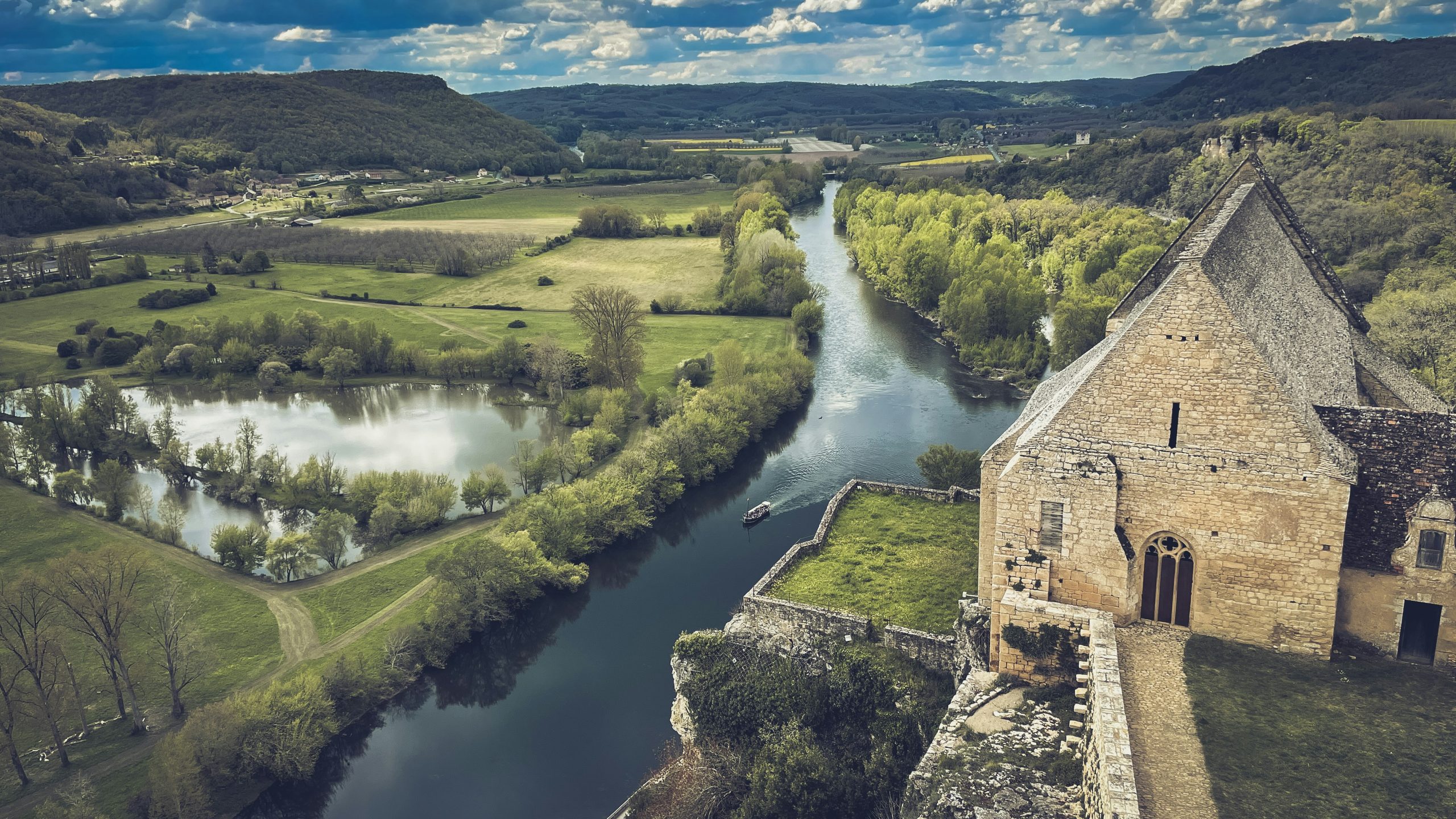
From London to the Périgord: One Remote Worker’s Move
I picked him up near Bordeaux on a grey Tuesday morning. He was heading back from a meeting, relaxed, unhurried, the kind of calm you don’t often see in someone who used to commute into London every day.
We got talking. He’d been in the Périgord for a few years now. He’d bought a ruin, renovated it with his wife, and learned French along the way. Still worked remotely, for a company back in England, but the London version of his life felt like someone else’s story.
“I just needed to stop,” he told me. “Not retire. Just stop the noise.”
From London to the Périgord at a Glance
| Aspect | What to Expect |
|---|---|
| Typical renovation property | €80,000 to €150,000, plus 30-40% for works |
| French tax residency threshold | 183 days a year in France |
| Internet in larger villages | Fibre widely available |
| Time zone gap with the UK | One hour, negligible for most remote roles |
| Best route to reliable artisans | Personal recommendation and local Facebook groups |
Why London Becomes Too Much
For some British professionals in their mid-fifties, London shifts from a land of opportunity to a feeling of being trapped.
The commute. The cost. The pace that never slows down. The sense that weekends exist only to recover from the week before.
Many people feel it for years before doing anything about it. Some never do. A few make the jump. The Dordogne has become one of the places where those people land.
Why the Périgord Specifically
There are quieter places in France. Cheaper places. More remote places. But the Dordogne has a particular combination that keeps drawing people from cities like London:
- Property prices that make space genuinely affordable
- A British expat community large enough to ease the transition
- Close enough to Bordeaux airport for easy UK access
- Beautiful enough to make every morning feel like a choice
- French enough to feel like a real change
For someone escaping London, it offers everything the city doesn’t, without requiring you to give up everything the city gave you.
The House: Buying a Ruin and Making It Home
He bought what the French call a maison de caractère, an old stone house that needed everything done to it. Roof, plumbing, electrics, floors. It took time. It cost more than expected. There were moments of doubt.
But the result is remarkable: thick stone walls, original beams, and a garden that backs onto farmland. No London salary could buy him this in England.
What buying a renovation project in the Dordogne actually involves:
- Budget €80,000 to €150,000 for the property itself
- Add 30 to 40% for renovation costs, always
- Factor in notary fees of 7 to 8%
- Find artisans through personal recommendations, since the good ones are always busy.
- Be patient, since French renovation timelines move at their own pace
For those willing to go through the process, the result is often something genuinely special. Stone that’s been standing for 200 years tends to outlast most modern buildings. Our full breakdown of buying property in the Dordogne covers the process step by step.
Useful resources:
- Leggett Immobilier, the largest English-speaking agency in France
- Beaux Villages Immobilier, specialists in character properties
- SeLoger, the French property search portal
The Language Question
He didn’t speak French when he arrived. His neighbours didn’t speak English.
In the beginning, they communicated using gestures, Google Translate, and goodwill. Slowly, it became something else.
Now they have regular dinners, alternating between English and French, each side helping the other. What started as a practical necessity became a genuine friendship.
“The language isn’t a barrier,” he told me. “It’s an excuse to spend time with people.”
Most British expats who integrate successfully say something similar. Learning French, even imperfectly, opens doors that stay closed to those who don’t try. It doesn’t require fluency. It requires effort and a willingness to be laughed at occasionally. Our piece on learning French in the Dordogne goes into how to get started.
Rural French communities tend to respond warmly to anyone who makes the effort. The dinners, the invites, and the friendly chats come from trying, not from winning.
Useful tools:
Remote Work and the New Arithmetic
What makes his situation possible, and increasingly common, is remote work.
He still earns a London salary. He lives in the Dordogne. The gap between the two has transformed his quality of life in ways that would have been impossible a decade ago.
A UK salary stretches very differently in rural France than in London. The mortgage or rent tells part of the story, but it goes further than that. Food is cheaper and better. Life moves more slowly. Stress has a different texture here. Our breakdown of the cost of living in the Dordogne lays out the numbers in full.
These days, he grows his own vegetables. Tends the garden. Knows which neighbours have the best tomatoes in August and which ones make their own walnut oil in October. For someone who spent twenty years eating lunch at his desk, that counts for something.
The Reality: What He’d Tell Someone Considering It
He was clear-eyed about the challenges when I asked.
French bureaucracy is slow and sometimes maddening. The renovation took longer and cost more than planned. The winters are quieter than expected, not unpleasantly so, but noticeably. And the language, for all its rewards, requires sustained effort.
“Don’t come expecting France to be England with better weather,” he said. “Come expecting it to be different. That’s the whole point.”
The people who thrive in the Périgord are generally those who came to integrate, not to recreate what they left behind. They learn the language. They shop at the market. They show up at the village fête. They become, over time, part of something.
The ones who struggle tend to be those who expected an easier version of home.
Is Remote Working From France Practical?
For those considering the same path, the practical questions matter.
Internet connectivity: improving across the Dordogne but still patchy in some rural areas. Always check coverage at a specific address before committing to buy. Fibre is available in larger villages and towns.
Tax: spend over 183 days a year in France, and you become a French tax resident. This means you must declare your worldwide income in France. Always take proper tax advice before making the move.
Time zones: working UK hours from France is entirely practical. The one-hour difference is negligible for most roles.
Useful resource: Service-Public.fr, the official French government portal for residency information.
Frequently Asked Questions
Can I work remotely from France as a British citizen?
Yes, but your residency status and tax situation need proper attention. Once resident in France, you are liable for French taxes on worldwide income. Get professional advice before making the move.
How long does it take to learn enough French to get by?
Most people find that 6 to 12 months of consistent effort gets them to a functional level for daily life. Full integration takes longer, but the journey itself is part of the experience.
Is the Dordogne suitable for families with children?
Yes. French state schools are of good quality and free. Children usually adapt to French more quickly than adults, and the outdoor lifestyle suits families well.
How do you find reliable artisans for renovation work?
Personal recommendation is by far the best route. Local expat Facebook groups are an excellent source. The mairie can also point you toward local contractors.
The Bottom Line
When I dropped him off that morning, he thanked me. Then he walked back up the track to his house. He’d bought it as a ruin and rebuilt it stone by stone. Now, it feels like it’s always been there.
He wasn’t running away from something. He’d run toward something, and found it. That’s the story I hear most often from passengers making the move from London to the Périgord. Not escape. Arrival.
Thinking about making the same move? Our pieces on buying property in the Dordogne, the real cost of living in the Périgord, and learning French as a British expat cover what comes next. For the wider picture, start with our Dordogne travel and expat hub.