Hidden Places in Dordogne: Essential Guide to 10 Secret Spots
The hidden places in Dordogne are what separate those who visit once from those who keep coming back. Everyone knows Sarlat. Everyone goes to Beynac. Everyone queues for Lascaux in July. But the Dordogne is much larger than its postcard version. After years of driving through this region, I have been to hidden places in Dordogne that don’t appear on most tourist maps — villages where the only sounds are birdsong and a distant tractor, valleys where you can stop the car and see nothing built after the fourteenth century. Here are ten of them.
Hidden Places in Dordogne — at a Glance
| Place | Best For | Best Time |
|---|---|---|
| Belvès | Troglodyte dwellings, markets | Saturday morning |
| Monpazier | Best-preserved bastide in France | Weekday April/October |
| Célé Valley | Empty roads, medieval abbeys | Any quiet day |
| Domme at dawn | Best view in the Dordogne | Summer 7am |
| Saint-Amand-de-Coly | Fortified Romanesque abbey | Spring or autumn |
| Périgord Vert | Brantôme, lower prices, calm | Year-round |
| Beynac at night | Valley at dusk, no crowds | Summer evenings |
| Issigeac | Authentic expat Sunday market | Sunday morning |
| Les Eyzies | Prehistory without the crowds | April or October |
| D-roads | The real Dordogne | Any afternoon |
Belvès — The Town With Seven Troglodyte Dwellings
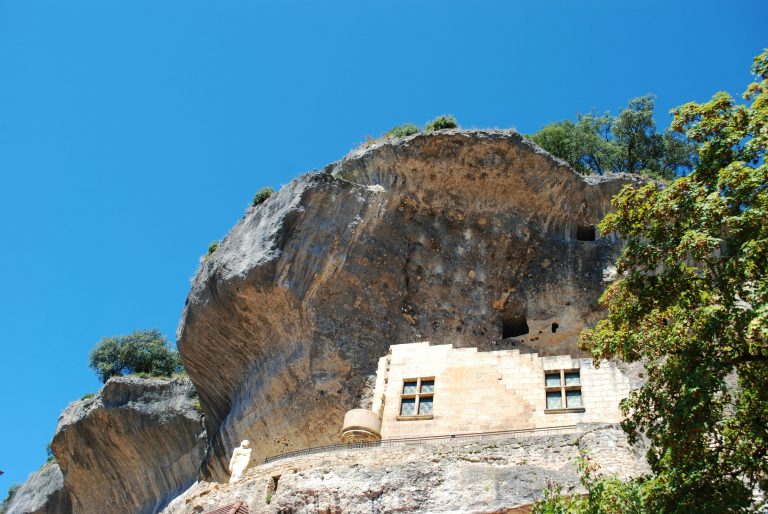
Most people drive through Belvès without stopping. That is a mistake. This medieval bastide town sits on a hill above the Nauze valley and contains something genuinely unusual — seven inhabited troglodyte dwellings carved directly into the rock beneath the main square. People lived in them until the 1950s. The contrast between the ordinary market square above and the cave homes below is quietly extraordinary. The Saturday market is small, unpretentious, and completely untouristy.
Monpazier — The Perfect Bastide
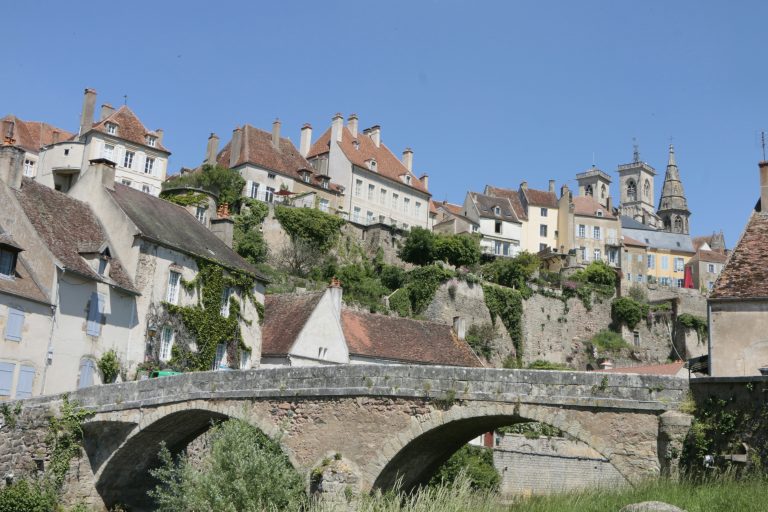
Every guidebook mentions Monpazier eventually, but few visitors actually make it there. It is the best-preserved bastide town in France — possibly in Europe — and on a weekday morning in April or October, you can walk its medieval grid streets in near-complete silence. The central square, with its covered arcades, has barely changed in seven hundred years. There is a good café on the square. Sit in it for an hour and let the place work on you.
The Célé Valley
While tourists crowd the Dordogne river, the Célé — a smaller tributary running through the Lot — is almost empty. The road follows the river through a series of villages that feel genuinely forgotten by modernity. Cabrerets, Marcilhac-sur-Célé, Espagnac-Sainte-Eulalie. Medieval abbeys, riverside cliffs, and farms that seem to produce nothing except calm. Drive slowly with no particular destination. Compare car hire prices at Bergerac Airport — a car is the only way to reach most of these hidden places.
Domme — at Dawn
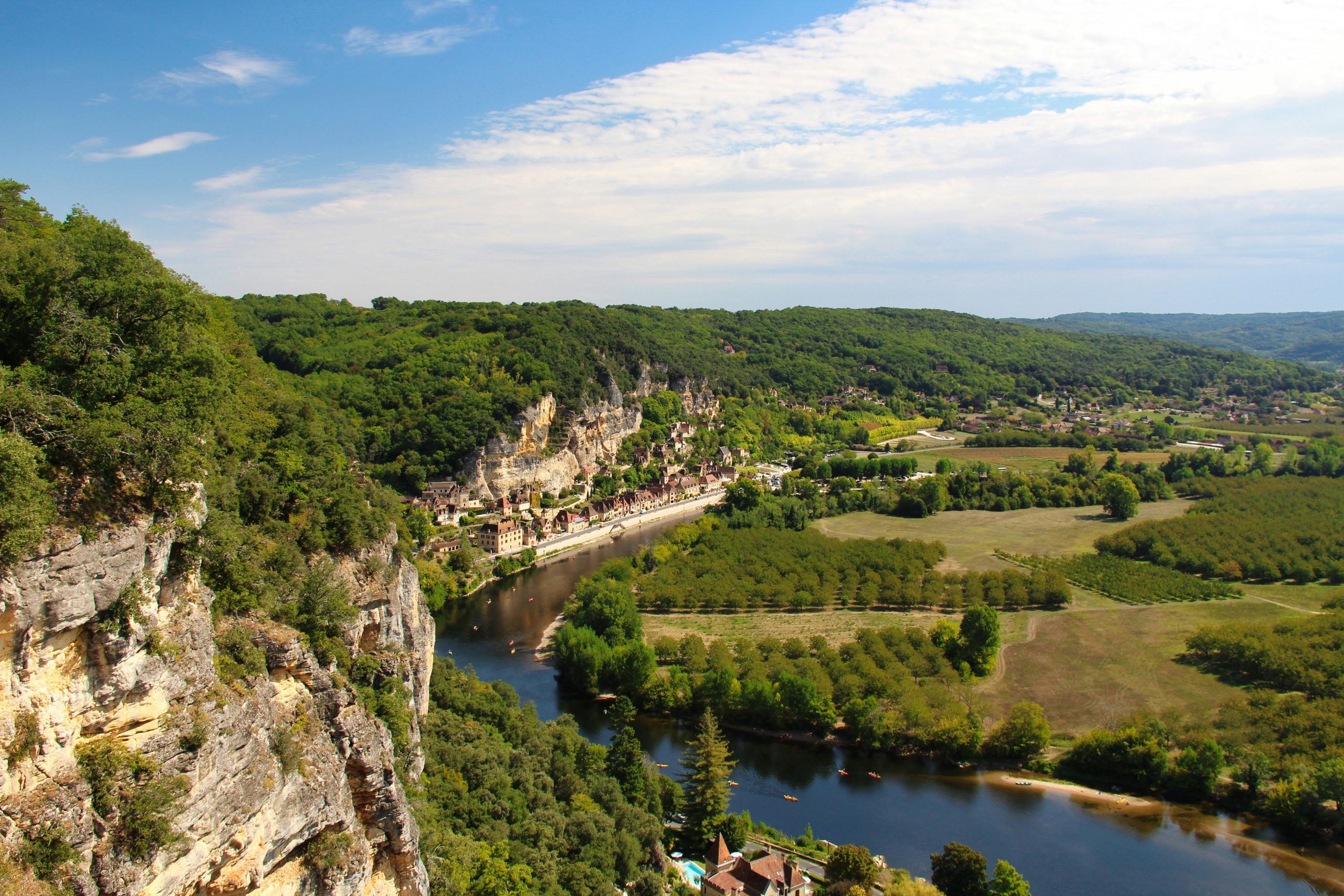
Domme is not a secret — it is a classified Les Plus Beaux Villages de France site. But arrive at 7 am on a summer morning, before the coaches, and you will have the famous panoramic view over the Dordogne valley almost to yourself. The valley fills with mist in the early morning. The river catches the light. It is one of the finest views in France, and the trick is simply to arrive before everyone else.
Saint-Amand-de-Coly — The Fortified Abbey
A village of fewer than 400 people, but the abbey church here is one of the most extraordinary pieces of Romanesque architecture in southwest France. Built as both a place of worship and a fortress — the walls are six metres thick in places — it sits in a small valley with no particular road leading to it. Most visitors to the Dordogne never find it. The ones who do tend to return.
The Périgord Vert — The Forgotten North
The Périgord Noir around Sarlat gets all the attention. The Périgord Vert in the north — greener, hillier, more rural — gets almost none. The area around Nontron and Brantôme has its own quiet beauty. The river Dronne runs through Brantôme past a Benedictine abbey built into a cliff, sometimes called the Venice of the Périgord. Fewer tourists, lower property prices, the same stone, the same walnut trees, the same unhurried pace.
Beynac at Night
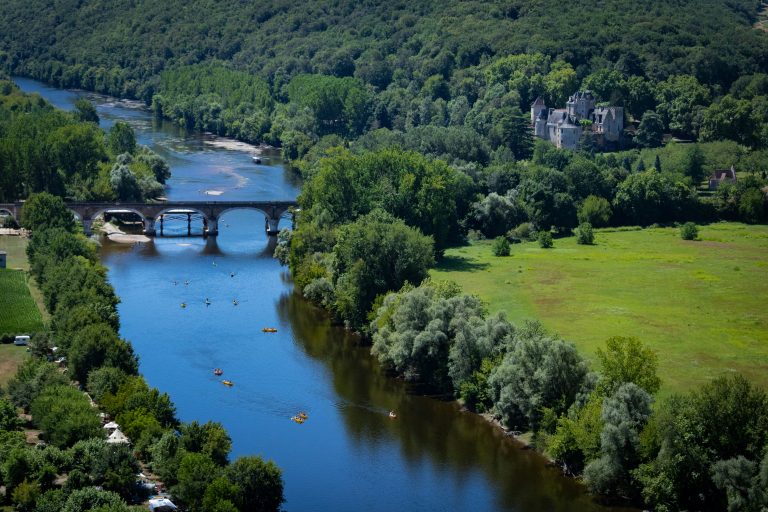
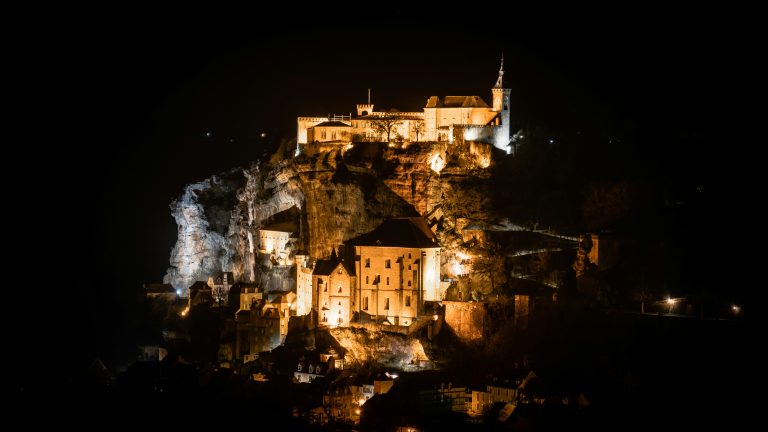
Château de Beynac is on every itinerary — photographed from below during daylight, from the same angle as thousands of other photographs. Drive up to the village in the evening, after the château has closed, and walk to the viewpoint above the river. The Dordogne valley at dusk, with the light failing over the water and the other châteaux visible in the distance, looks like a landscape someone painted rather than a real place. It takes twenty minutes. Most people never do it.
Issigeac — Sunday Morning
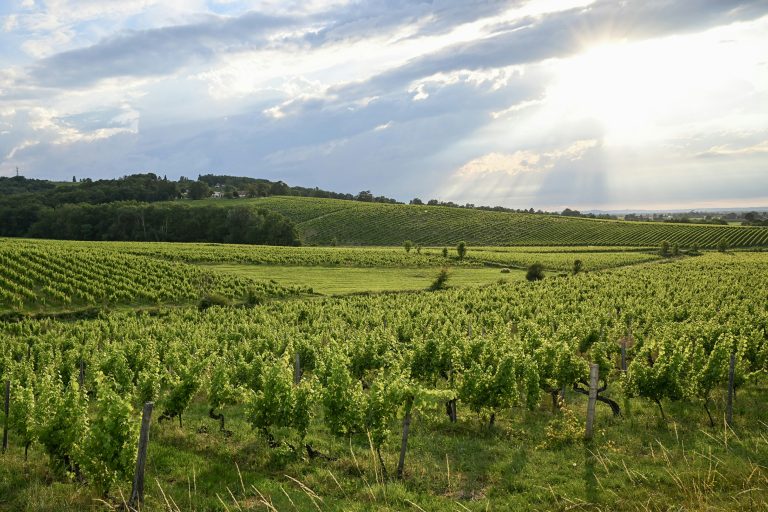
A tiny circular bastide town in the Bergerac wine country, Issigeac has a Sunday market that has become a quiet institution among the local expat community. Not a tourist market — a real one. Local producers, decent coffee, and the kind of conversation that happens when people have lived in the same place long enough to actually know each other. For anyone thinking about making the move, spending a Sunday morning in Issigeac is a better argument than any brochure.
Les Eyzies — Early Season
Les Eyzies in July is busy. In April or October, the prehistoric capital of the world is almost empty, the museum is uncrowded, and the cliffs above the village look exactly as they must have to the people who sheltered in them twenty thousand years ago. The National Museum of Prehistory here is genuinely excellent and almost always undervisited. Allow three hours minimum. According to lascaux-dordogne.com, it is home to more prehistoric sites per square kilometre than anywhere else on earth.
If prehistory is the draw, it’s worth booking tickets to Lascaux IV or a guided cave tour ahead of time — even in the quiet season, the best time slots go first.
Any Road With a D Before the Number
This is less a specific place than a general instruction. The D-roads of the Dordogne — the small departmental roads connecting villages of a few hundred people to other villages of a few hundred people — are where the region actually lives. No destination required. Half a tank of petrol and an afternoon. I have driven most of them over the years, and I am still finding new ones.
⚠️ Practical Tips for Exploring
A car is essential for all of these places — public transport does not reach most of them. April, May, September, and October are the best months — warm enough, quiet enough, and green enough. July and August are beautiful but busy — even the hidden places become less hidden. Most of these sites have no entry fee and no booking required. For the troglodyte dwellings at Belvès and the abbey at Saint-Amand-de-Coly, check opening times before visiting as hours vary by season.
Hidden Places in Dordogne — Frequently Asked Questions
When is the best time to visit these hidden places?
April, May, September, and October offer the best combination of good weather, open attractions, and manageable crowds. July and August are beautiful but busy — the hidden places in Dordogne become considerably less hidden in peak season.
Do I need a car to visit these places?
Yes — for all of them. Public transport does not reach most hidden places in Dordogne. A car gives you the freedom to stop on a whim, which is exactly what exploring these places requires.
Are these places suitable for families?
Most of them — particularly the bastide towns at Belvès and Monpazier, the Célé valley drive, and Les Eyzies for the prehistoric sites. Domme at dawn and Beynac at night are better suited to adults.
How do I get to the Dordogne to start exploring?
Bergerac Airport has direct connections from multiple UK cities. From there, a hire car gives you immediate access to the whole region. See our full guide on getting to the Dordogne from the UK.
Is the Périgord Vert worth visiting?
Absolutely — and it is consistently underrated. Lower property prices, fewer tourists, and the same essential character as the more famous Périgord Noir. Brantôme in particular is one of the most beautiful towns in the Dordogne that most visitors never reach.
The Bottom Line
The hidden places in Dordogne are what the region is really made of. The famous version — Sarlat, Beynac, Lascaux — is just the surface. The hidden places in Dordogne underneath that surface, found on a Tuesday morning on a D-road with no particular plan, are quieter, stranger, and harder to explain to anyone who has not been there. That is the version worth looking for.
For more on exploring the region, read our guides on things to do in the Dordogne and the Bergerac wine region. For a complete overview, visit our Dordogne Travel Guide.
Disclaimer: Opening times and access to sites change regularly. Always verify before visiting. This guide reflects information available in 2026.