Things to Do in Dordogne: Essential Guide to the Best Experiences
The best things to do in Dordogne don’t announce themselves. The valley opens up below you, something shifts, and someone says it: “We have to come back.” I’ve seen it happen dozens of times from behind the wheel. Here is what makes this region worth coming back for: ten essential things to do in Dordogne that cover prehistory, food, wine, medieval history, and the kind of afternoons that don’t appear on any itinerary.
Only got a weekend? See our dedicated Dordogne weekend break itinerary for a focused 2-day plan instead of trying to fit everything below into a short trip.
Things to Do in Dordogne — at a Glance
| Experience | Best For | Book in Advance? |
|---|---|---|
| Lascaux IV caves | History, families | ✅ Yes — sells out |
| Château de Beynac | Medieval history | 🟡 Summer only |
| Gouffre de Padirac | Adventure, families | ✅ Yes — very popular |
| Sarlat Saturday market | Food, atmosphere | ❌ Just turn up |
| Bergerac wine tasting | Wine lovers | 🟡 Recommended |
| Canoeing the Dordogne | Families, outdoors | ❌ On the day |
| Vézère Valley | Prehistory, culture | ❌ Open access |
Lascaux Caves — The Sistine Chapel of Prehistory
No list of things to do in Dordogne is complete without Lascaux. The original cave was discovered in 1940 by four teenagers and their dog. It contains prehistoric paintings dating back 17,000 years — some of the finest in the world. The original site is closed to protect the paintings. Lascaux IV in Montignac offers a full-scale replica that is genuinely extraordinary. Allow at least two hours. Book well in advance during summer — it sells out consistently. lascaux.fr — open year-round.
Book a guided Lascaux tour with transport included
The Châteaux — Medieval History Around Every Corner
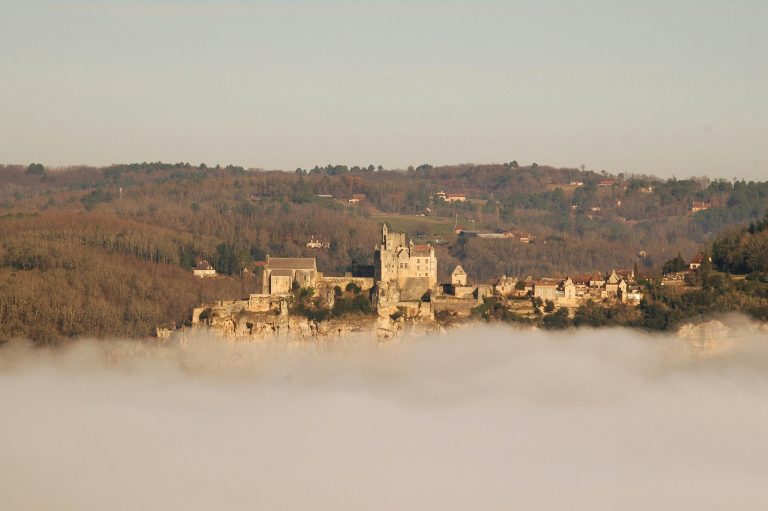
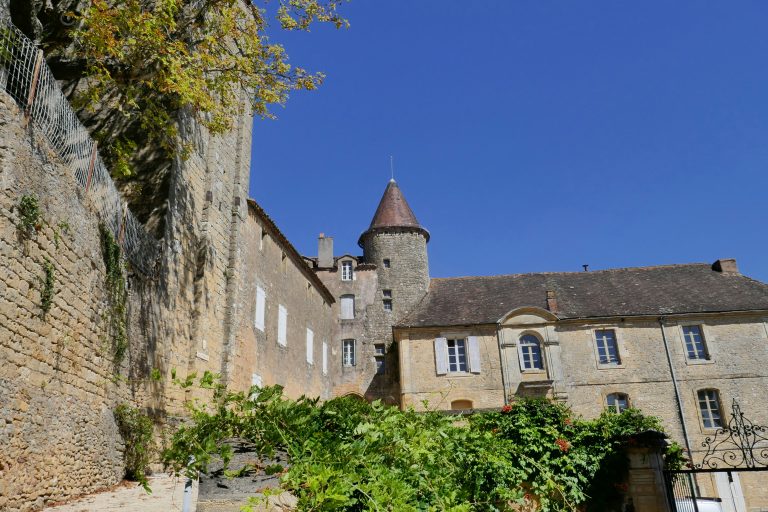
The Dordogne has more castles per square kilometre than almost anywhere in France. Most were built during the Hundred Years’ War between England and France, which makes them especially significant for British visitors. The ones worth prioritizing are Château de Beynac, perched on a cliff above the river and one of the most dramatic in France; Château de Castelnaud, the rival fortress with an excellent medieval weapons museum and full-scale siege engines on the terrace; Château des Milandes, the former home of Josephine Baker; and Château de Hautefort, more refined, with beautiful formal gardens. Most are open from April to October, with hours that shift by season — worth checking each château’s official site before you go. A car is essential for visiting more than one per day.
Bergerac Wine and the Monbazillac Vineyards
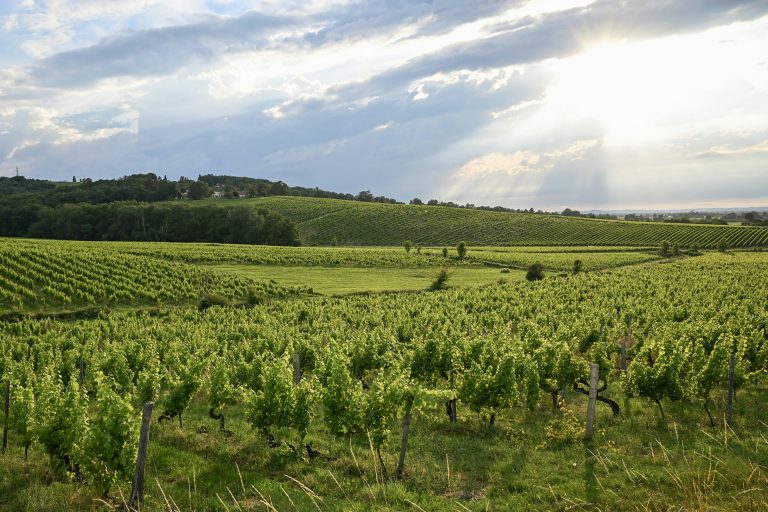
The Bergerac wine region doesn’t get the attention it deserves. Monbazillac is a sweet white wine made on sunny slopes above Bergerac — it rivals Sauternes but costs far less. The Château de Monbazillac is worth visiting for the architecture and views alone. Wine tasting is included with entry, and the panoramic view over the Dordogne Valley is one of the best in the region. Open daily from April to October. Combine with a drive through the surrounding vineyards.
Book a Bergerac wine tour with cellar visits
The Gouffre de Padirac — France’s Most Spectacular Cave
The Gouffre de Padirac is less famous than Lascaux but more dramatic. You descend 75 metres into the earth, board a flat-bottomed boat, and glide through cathedral-like caverns along an underground river. It sounds like a tourist trap. It isn’t. Most people who visit describe it as one of the most remarkable experiences of their lives. Book well in advance for July and August — it is extremely popular. Allow 2–3 hours minimum. gouffre-de-padirac.com
The Markets — Where the Dordogne Really Lives
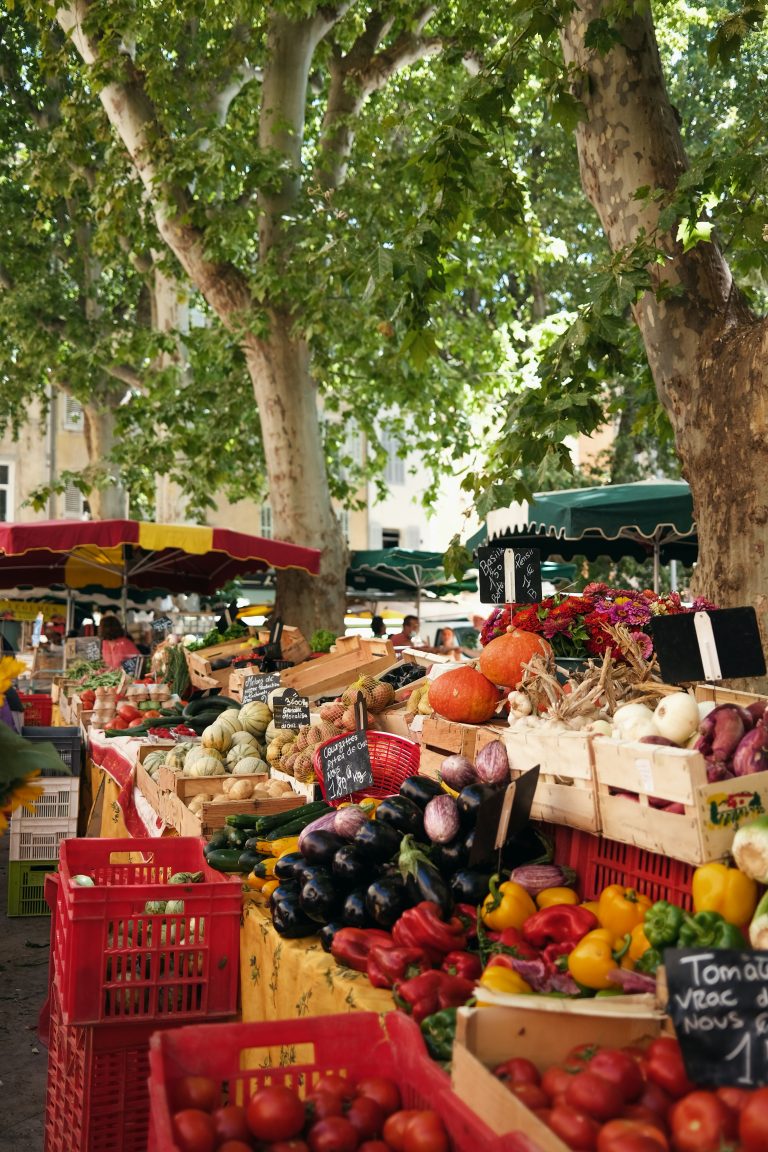
If you want to understand the Dordogne, go to a market. Not to buy souvenirs — to buy food. Seasonal produce, local cheese, walnut oil, foie gras, truffles in season, and Bergerac wine are sold directly from the producer. Arrive before 10 am — the best produce goes fast, and the atmosphere before the crowds arrive is something special.
| Market | Day | Best For |
|---|---|---|
| Sarlat | Saturday | Best in the region, medieval backdrop |
| Périgueux | Wednesday & Saturday | Largest, most variety |
| Bergerac | Wednesday & Saturday | Local wine producers |
| Le Bugue | Tuesday & Saturday | Less touristy, more authentic |
| Eymet | Thursday | Heart of the expat community |
Foie Gras — The Périgord Experience
Foie gras is inseparable from the Périgord identity. The region produces some of the best in France. Several farms near Sarlat and Périgueux offer visits and tastings — ask at the local tourist office for current recommendations. For those who simply want to eat well, virtually every restaurant in the Dordogne serves it. A starter of foie gras with toasted brioche and a glass of Monbazillac is one of those combinations that justifies the entire journey.
Canoeing the Dordogne River
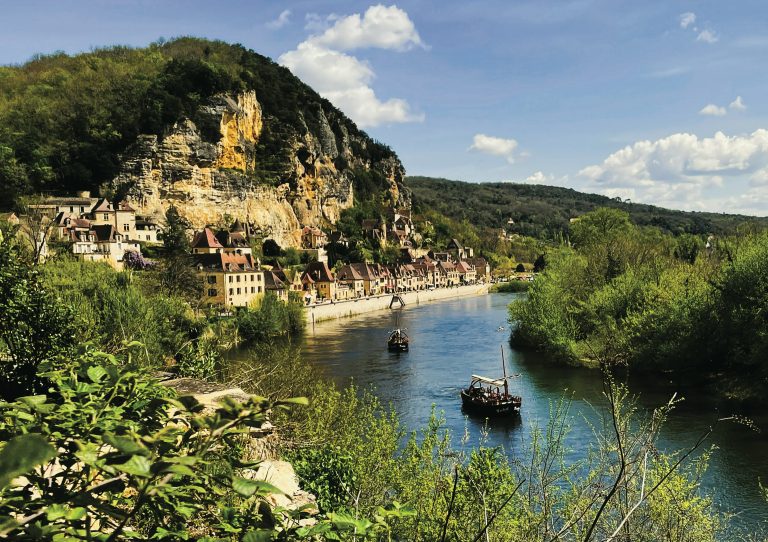
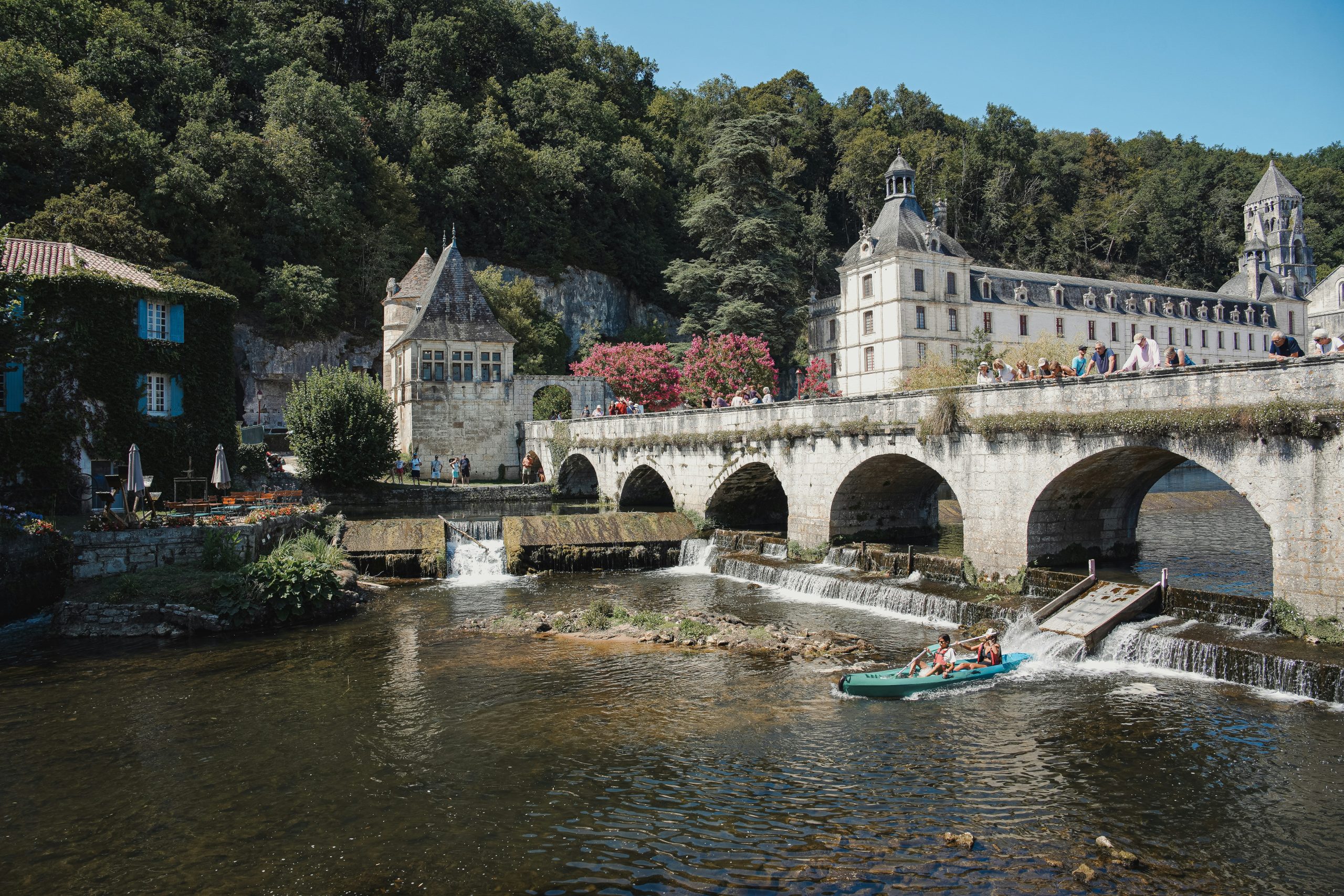
The stretch of river between La Roque-Gageac and Beynac is one of the finest canoe routes in France. The trip takes 2–3 hours and passes directly below some of the region’s best châteaux. Canoe rental is available at multiple points along the river. No experience necessary — families with children from around six years old manage it comfortably. Best months: May, June, and September — warm enough, not too crowded.
Book a guided canoe experience on the Dordogne River
Sarlat — The Most Beautiful Medieval Town in France
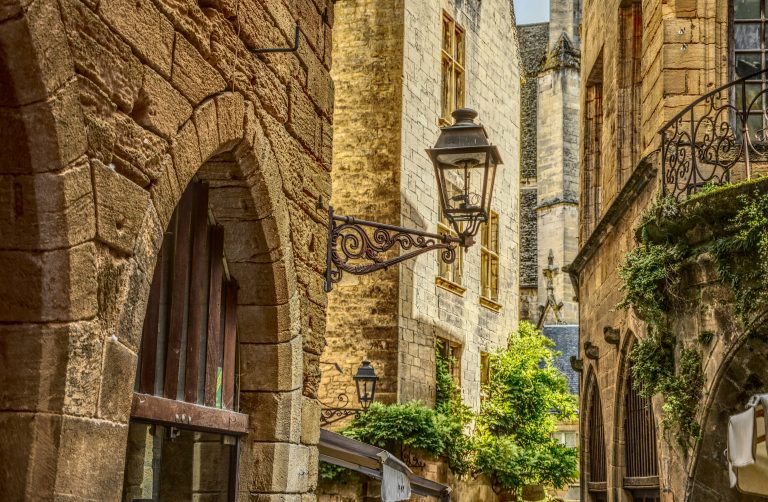
Save Sarlat for a Saturday morning. The weekly market fills the medieval streets, and the golden stone architecture glows in the morning light. Arrive before 9 am to beat the crowds, park outside the old town and walk in. July and August are extremely busy — spring and autumn are considerably better. The old town is entirely pedestrianized.
Staying a night in or near the old town makes the early market start far easier than driving in from further afield — search stays in Sarlat to compare what’s available for your dates.
The Vézère Valley — UNESCO World Heritage
The Vézère Valley between Les Eyzies and Montignac is home to Lascaux, the Font-de-Gaume cave paintings, and the National Museum of Prehistory. Les Eyzies calls itself the capital of prehistory — it is not exaggerating. The museum provides essential context for everything else you will see in the valley. Half a day minimum to do it justice.
Basing yourself in Les Eyzies for a night or two lets you cover the valley properly without rushing between sites — check availability in the Vézère Valley if you’re planning more than a day trip here.
Simply Drive
This might sound like a non-answer, but it isn’t. Some of the best things to do in Dordogne are found by getting lost on small roads between villages. The D roads of the Périgord Noir wind through valleys, past ruined mills, through villages of 200 people where nothing much has changed in decades. No itinerary required. No booking necessary. Just a tank of petrol and an afternoon. I’ve been driving these roads for years and still find new things. Compare car hire prices at Bergerac Airport — the most flexible way to explore at your own pace.
⚠️ Practical Tips Before You Go
Most major attractions open from April to October — a handful year-round. Book Lascaux and Gouffre de Padirac well in advance for July and August. A car is essential for visiting more than one attraction per day. Bergerac Airport has direct flights from multiple UK cities — see our guide on getting to Dordogne from the UK for all route options.
Things to Do in Dordogne — Frequently Asked Questions
When is the best time to visit the Dordogne?
May, June, and September offer the best combination of weather, open attractions, and manageable crowds. July and August are busy and hot. Winter is quiet but authentic — some restaurants close, but prices drop significantly.
How many days do you need in the Dordogne?
A minimum of 4–5 days to see the highlights. A week is better. Many visitors return year after year and still find new things — the region rewards slow travel more than most destinations in France.
Do I need a car in the Dordogne?
Yes — essential. Public transport is very limited outside Périgueux and Bergerac. Hire a car at Bergerac airport for maximum flexibility. Booking in advance is always cheaper than arriving without a reservation.
Is the Dordogne suitable for families?
Very much so. Canoeing, cave visits, château exploration, and outdoor markets all work well for families with children of most ages. Lascaux IV and Gouffre de Padirac are particularly popular with children.
Is Lascaux worth visiting?
Without question. Lascaux IV is one of the finest museum experiences in France. The replica is so detailed that most visitors forget they are not in the original cave. Allow at least two hours and book in advance during peak season.
The Bottom Line
The best things to do in Dordogne reward those who slow down. The caves, the châteaux, the markets, the river — they are all extraordinary. But the real things to do in Dordogne are found between the bookings: a conversation with a market vendor, a glass of wine at a riverside terrace, a road you have never taken before. Come with time. Leave with memories you will spend years trying to explain to people who weren’t there.
For everything you need to plan your visit, read our guide on getting to Dordogne from the UK and our complete cost of living guide. For a full overview of the region, visit our Dordogne Travel Guide.
Disclaimer: Opening times, prices, and availability change regularly. Always verify directly with attractions before visiting. This guide reflects information available in 2026.