Dordogne in Winter: The Quiet Season Locals Know
Most of my driving is April through October — that’s when the phone doesn’t stop. But I still get calls in December and January, usually from someone picking up a gîte for Christmas week or driving down for New Year with family. They’re always surprised. They expected the Dordogne in winter to be shut down and grey. It isn’t. It’s quieter, colder, and honestly one of my favourite times to be out on these roads.
Dordogne in Winter at a Glance
| Average temperature | 4-10°C (39-50°F), colder in the valleys at night |
| Rainfall | Around 80-90mm over 11 days a month, more than summer |
| Daylight | As little as 8 hours in December, growing through February |
| Crowds | Minimal — you’ll often have a château or village to yourself |
| What’s open | Major châteaux and Sarlat’s old town year-round; many smaller sites and restaurants close November-March |
| Best for | Christmas markets, truffle season, budget stays, photography |
What the Weather Actually Does
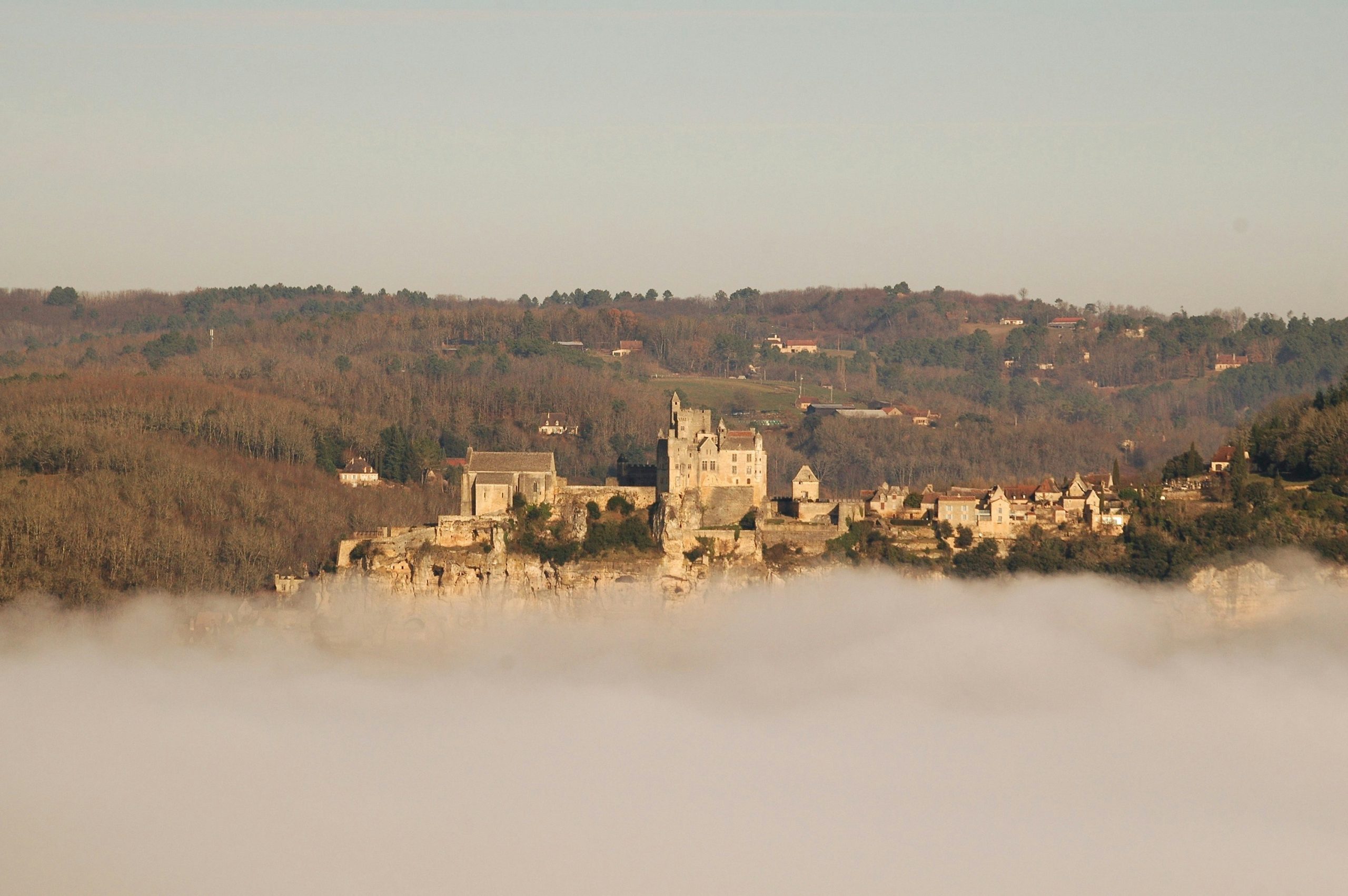
January is the coldest month, averaging around 10°C during the day and dropping to 4°C at night — colder still if you’re down near the river on a still, clear morning, when mist sits over the Dordogne for hours. Frost is common inland; snow happens most winters but rarely settles for long, maybe a few days a year. Rain is more frequent than in summer, so pack for grey days as much as cold ones. What people don’t expect is how much sun you still get between the fronts — clear winter days here can be genuinely bright, just short. Sunset by 5:30pm in December means you plan your day differently, not that there isn’t a day to plan.
Sarlat’s Christmas Market and the December Run-Up
Sarlat runs its Christmas market through most of December, usually opening in the first days of the month and running to just before New Year (exact dates shift each year, so check Sarlat’s tourism office before you book). Wooden chalets fill the medieval streets, there’s usually a themed “Santa’s village” for kids, and the honey-coloured stone that makes Sarlat’s old town so photogenic in summer looks even better strung with lights on a cold evening. It’s one of the few times of year I’d genuinely recommend driving into town after dark rather than during the day — park outside the centre and walk in, the streets aren’t built for winter traffic any more than summer traffic.
Truffle Season
This is the one thing I always mention to passengers who ask what’s special about winter here. The Périgord black truffle — “black diamond” — is a winter crop, and the truffle markets that open from December through February are as much a part of local life as any summer festival. Sarlat runs a truffle market on Saturday mornings through the season, and Sainte-Alvère, a little further west, is one of the region’s oldest and most respected truffle markets, still run the traditional way with growers selling direct. You don’t need to buy anything to make it worth going — watching growers and buyers negotiate over a basket of truffles, cash changing hands, no ceremony about it, is as real a slice of Périgord life as you’ll see.
Which Châteaux Stay Open
This is where winter planning actually matters, because opening hours change a lot between the big sites and the smaller ones.
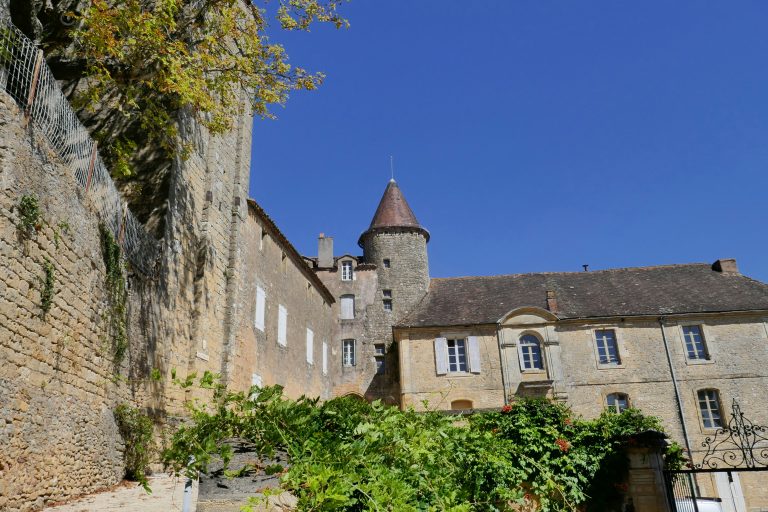
Open year-round (reduced winter hours): Château de Castelnaud stays open every day of the year, including through winter — just check the shorter daily hours before you go, and note the reduced hours over Christmas itself. Beynac and several of the other major sites also run a winter schedule rather than closing outright. This is genuinely one of the better ways to see them: no coach parties, no queue, and the castle silhouettes look sharper against a bare winter sky than they do hazy in August heat.
Closed or limited in winter: plenty of the smaller châteaux, gardens, and family-run attractions close for some or all of November through March — this is genuinely seasonal, family-staffed tourism, not a call centre. Don’t assume; check the specific site’s own hours before driving out, especially if it’s a detour rather than a stop on your way somewhere else.
Same goes for restaurants and gîtes outside the main towns — a fair number close for a winter break of their own, often January into February. Sarlat, Bergerac, and Périgueux stay properly open year-round; smaller villages thin out.
Why Locals Actually Like This Season
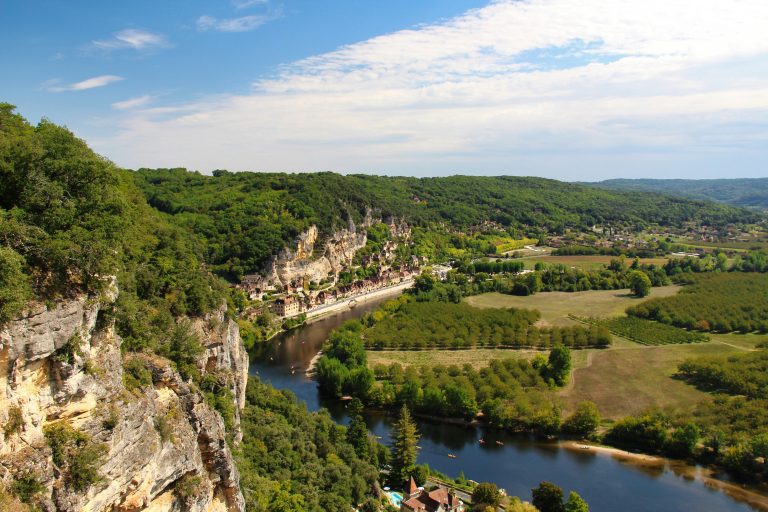
I’ll say this plainly: winter is when the Dordogne feels most like itself. In July I’m driving past cars queued to get into villages that hold a few hundred people. In January I can park outside La Roque-Gageac and stand on the riverbank without another person in sight. Prices drop — gîtes that cost €150 a night in August go for a third of that in winter, if they’re open at all. It’s the season for people who want the place, not the postcard version of the place with a coach park attached.
Practical Tips for a Winter Visit
- Book accommodation with heating confirmed. Some rural gîtes are set up for summer stone-house cool, not winter warmth — ask directly.
- Check every attraction’s hours individually. Don’t assume a site open in the guidebook photo is open the week you’re visiting — call or check the official site.
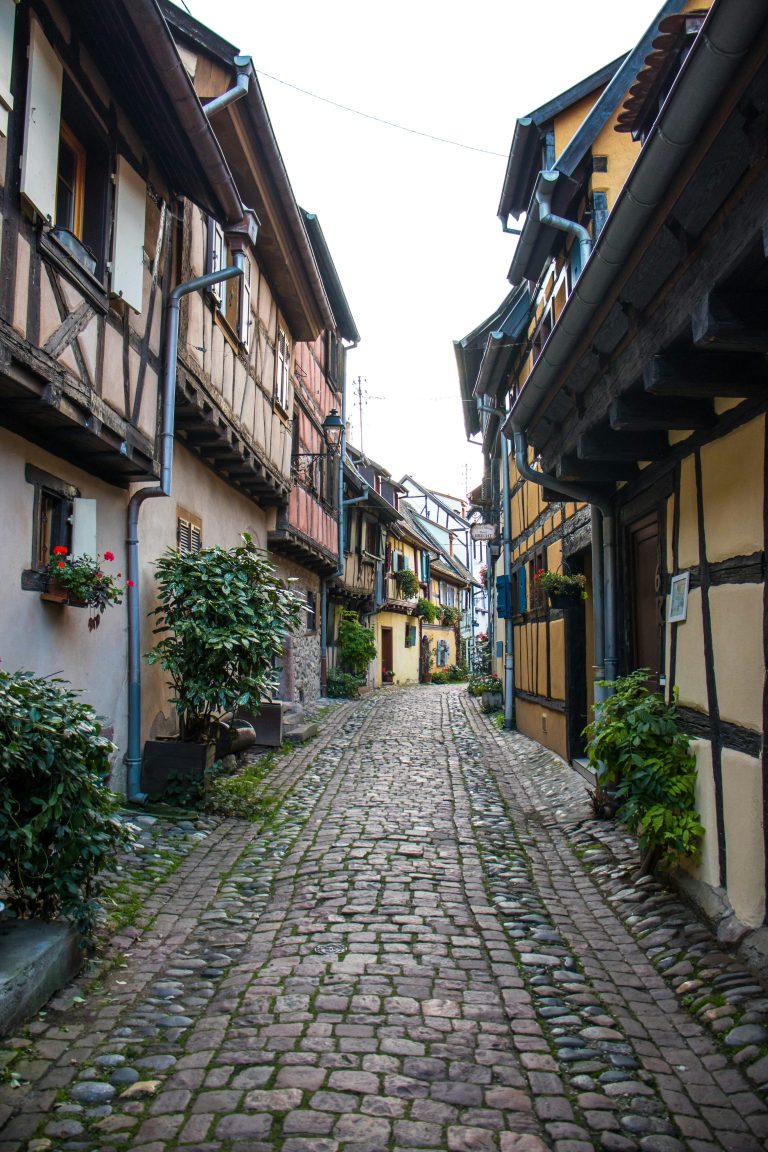
- Bring proper shoes. Cobbled village streets get slick with winter rain and occasional frost.
- Hire a car, don’t rely on rural buses. Winter timetables are thinner than summer ones, and some routes stop altogether.
- Layer for the temperature swing. Mornings can be near freezing in the valley, afternoons mild in direct sun.
Frequently Asked Questions
Is the Dordogne worth visiting in winter?
Yes, particularly if you want to see the region without crowds, catch the Christmas markets, or experience truffle season. It’s a different trip to a summer one — fewer swimming and canoeing options, more château visits, markets, and slow village walks.
What’s the coldest month in the Dordogne?
January, typically averaging around 10°C by day and 4°C overnight, with occasional frost and the odd light snowfall that rarely settles for more than a day or two.
Do the châteaux close for winter?
The major sites like Castelnaud and Beynac stay open year-round with reduced hours. Many smaller châteaux, gardens, and family-run attractions close for some or all of the November-March period, so check each site’s own hours before visiting.
When does the Périgord truffle season run?
Roughly December through February, with dedicated truffle markets running weekly in towns including Sarlat and Sainte-Alvère.
Is it cheaper to visit the Dordogne in winter?
Considerably. Accommodation prices drop well below summer rates, and popular gîtes and hotels that book out months ahead in July are often available with a few days’ notice in January.
The Bottom Line
The Dordogne in winter isn’t the same trip as the Dordogne in summer, and it isn’t trying to be. It’s colder, quieter, and a few of the smaller sites will be shut — but Sarlat’s Christmas market, truffle season, and châteaux like Castelnaud without a queue in sight make it a genuinely good time to come, not a consolation prize for missing the school holidays. If you’re planning a visit, pair this with our Dordogne weekend break itinerary for a focused short trip, or our full guide to things to do for the longer list — and see our Dordogne travel guide hub for everything else on planning a visit.