Villages in Périgord Pourpre Beyond the Vineyards
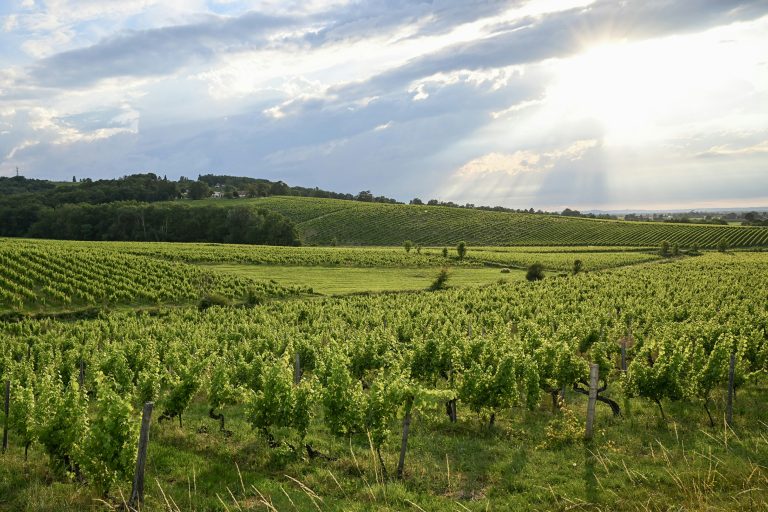
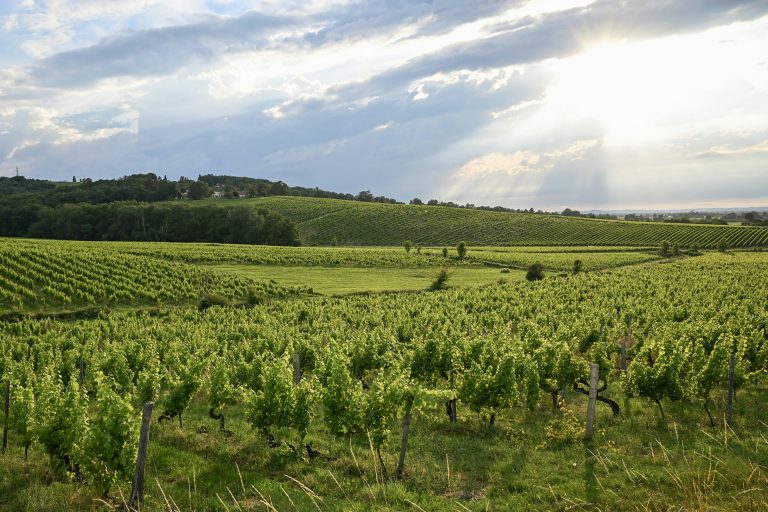
Ask most passengers what they know about this corner of the Dordogne, and they’ll say one word: wine. Fair enough, the vineyards around Bergerac earn that reputation. But the villages in Périgord Pourpre, the “purple Périgord” named for its vine-covered hills, offer plenty beyond the tasting rooms once you know where to look.
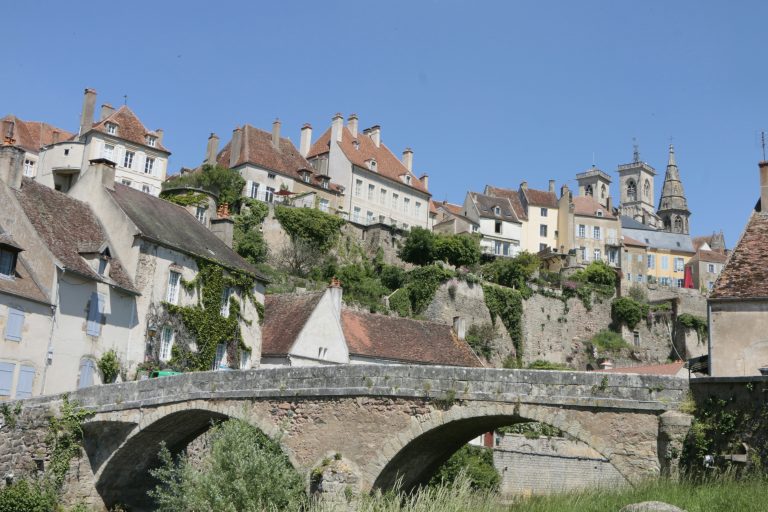
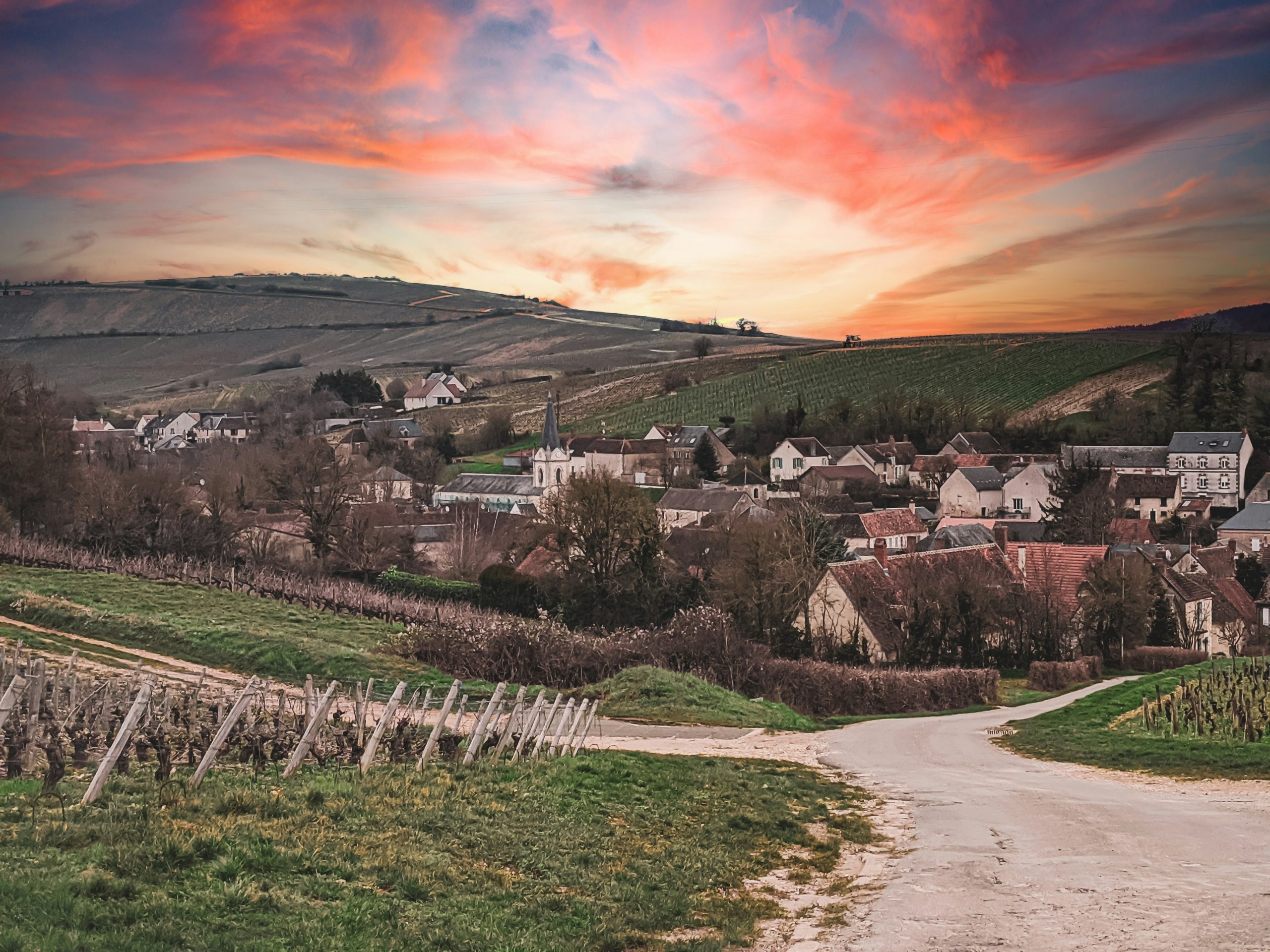
This is bastide country, medieval planned towns built during the Hundred Years’ War, along with a scattering of riverside villages that rarely make the guidebooks.
Villages in Périgord Pourpre at a Glance
| Village | Known For |
|---|---|
| Issigeac | Circular medieval layout, Sunday market |
| Monbazillac | Château and sweet wine appellation |
| Lalinde | Riverside bastide, canoeing launch point |
| Villeréal | Bastide with covered market hall |
| Beaumont-du-Périgord | Fortified bastide church |
| Sainte-Foy-la-Grande | Historic river town on the Gironde border |
Issigeac: The Village That Grew in a Circle
Issigeac’s medieval street plan radiates outward from the church in a near-perfect circle, a layout that’s rare enough in France to draw architecture enthusiasts on its own. The half-timbered houses lean into each other over narrow lanes that were never widened for cars, which is part of the charm and part of the parking headache.
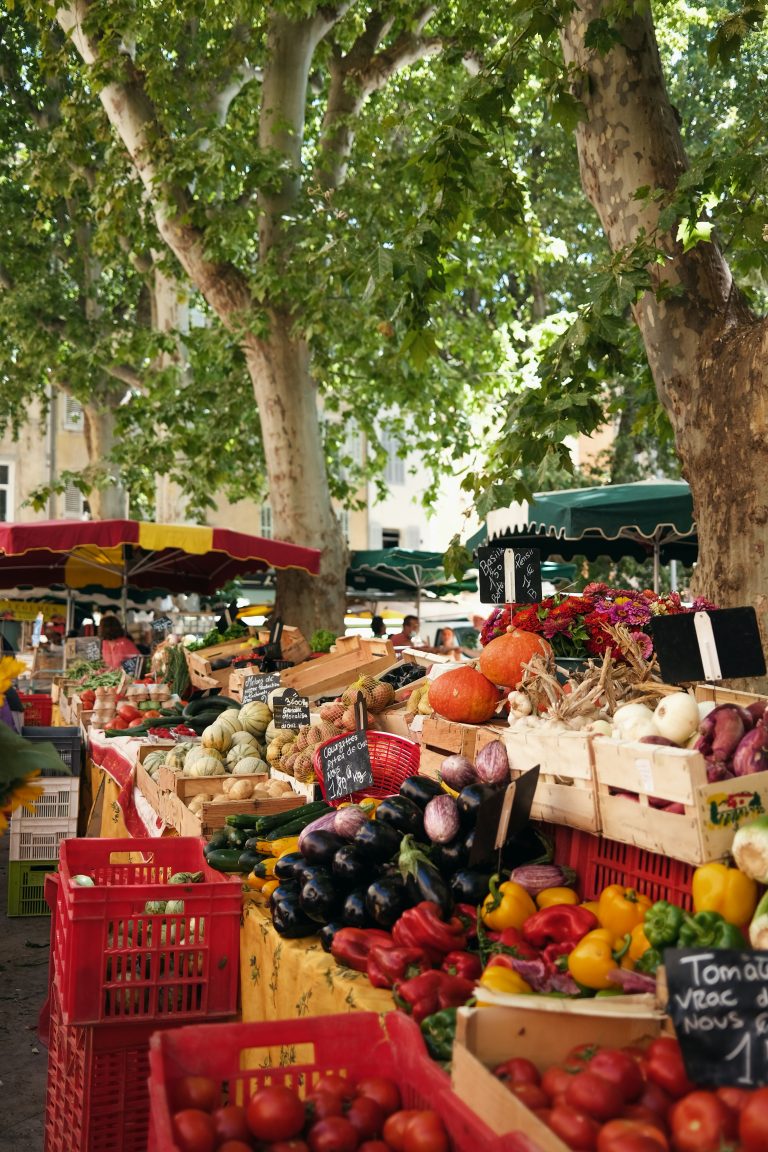
The Sunday market is the one to plan around, spilling through the old streets with local producers rather than souvenir stalls.
Good for: a Sunday morning market visit combined with a wander through genuinely well-preserved medieval architecture.
Monbazillac: More Than the Wine
The Château de Monbazillac sits above its own vineyards with genuinely good views back toward Bergerac, and it’s worth visiting even if sweet wine isn’t your thing. The château itself is open for tours and hosts exhibitions through the year.
The appellation’s sweet white wine, made from grapes affected by noble rot in the same way as Sauternes, is a genuine point of local pride and considerably cheaper here than its Bordeaux cousin.
Good for: a short château visit paired with a tasting, easily combined with Bergerac itself.
Lalinde: The Bastide on the River
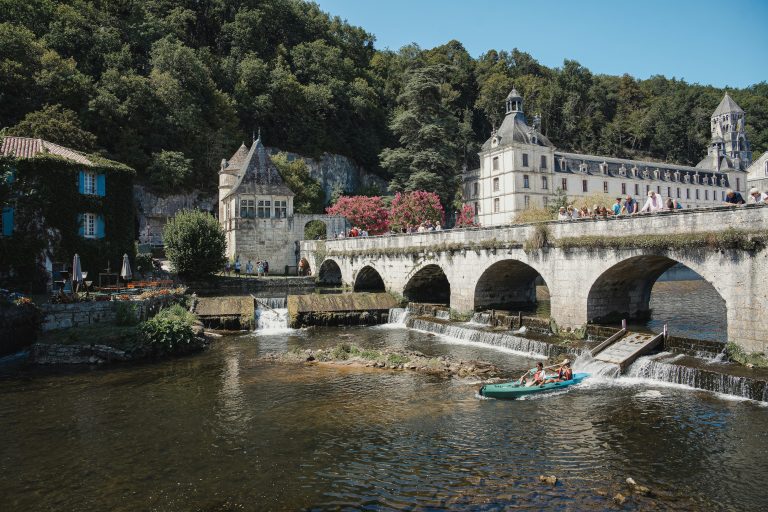
Lalinde was built as an English bastide in the 13th century and still keeps its grid-planned streets, but its real draw today is the Dordogne river running alongside it. Canoe and kayak operators launch from here regularly, offering a gentler stretch of river than the more crowded routes further east near Sarlat.
Good for: a half-day canoe trip without the summer crowds of the more famous launch points.
Villeréal: The Market Hall Village
Villeréal’s central square is dominated by a genuinely striking covered wooden market hall, still in weekly use since the 13th century. The Saturday market here draws both locals and the wider expat community from surrounding villages.
Good for: a Saturday morning market and a look at one of the best-preserved bastide market halls in the region.
Beaumont-du-Périgord: The Fortified Church
Beaumont’s church doubles as a fortress, built with defensive towers into its structure during a period when villages needed to double as strongholds. It’s an unusual sight even by bastide standards, and the surrounding streets retain their original grid layout almost untouched.
Good for: history-focused visitors and a quieter alternative to the busier bastides further south.
Sainte-Foy-la-Grande: The Border Town
Technically just across the border in the Gironde, Sainte-Foy-la-Grande is included here because it functions as a practical hub for the western edge of Périgord Pourpre, with a Saturday market, a proper selection of shops, and riverside walks along the Dordogne.
Good for: practical errands and a market day if you’re staying nearby, rather than as a standalone destination.
Bergerac: The Region’s Namesake
Bergerac gives Périgord Pourpre its name and its centre of gravity, with a genuinely walkable old town of half-timbered houses along the Dordogne, an airport with direct UK connections, and enough restaurants and shops to cover anything the smaller bastides can’t.
Good for: using as a base for the smaller villages nearby, rather than a single day trip destination in itself.
See It on Video
Practical Tips
Market days are worth building a route around: Issigeac on Sunday, Villeréal and Sainte-Foy-la-Grande on Saturday. Arriving after 1 pm on market day usually means stalls are already packing up.
The official Bergerac Tourism office publishes an up-to-date calendar of bastide markets and wine events across Périgord Pourpre, worth checking before planning a trip around a specific date.
For Monbazillac specifically, the Château de Monbazillac’s official site lists current opening hours and tasting bookings, which change seasonally.
These villages combine naturally with a stay in Bergerac itself, and pair well with a day trip to the wider Bergerac wine region if wine tourism is part of your trip.
Frequently Asked Questions
What is a bastide, exactly?
A bastide is a planned medieval new town, typically built to a grid layout around a central market square, common across southwest France in the 13th and 14th centuries during conflicts between the English and French crowns. Issigeac, Villeréal, and Beaumont-du-Périgord are all examples.
Is Périgord Pourpre only worth visiting for the wine?
No. The wine is the headline, but the bastide villages and the canoeing around Lalinde stand on their own, particularly for visitors who’ve already done a wine-focused day around Bergerac and want something different.
Which village has the best market?
Issigeac’s Sunday market is generally considered the most atmospheric, thanks to its circular medieval layout, though Villeréal’s Saturday market under its historic covered hall is a close second.
How does Périgord Pourpre compare to Périgord Blanc or Vert?
Périgord Pourpre is warmer and more Mediterranean in feel, built around vineyards and bastides. Périgord Blanc is limestone country around Périgueux, while Périgord Vert is greener and more forested further north.
The Bottom Line
The villages in Périgord Pourpre reward visitors willing to put the wine glass down for an afternoon. Circular medieval streets, a fortress disguised as a church, and a quiet stretch of river all sit within a short drive of Bergerac.
For the wider picture across all four Périgords, start with our Dordogne travel and expat hub. Our notes on the Bergerac wine region and the best villages in the Dordogne cover what’s nearby.