Villages in Périgord Noir Beyond Sarlat
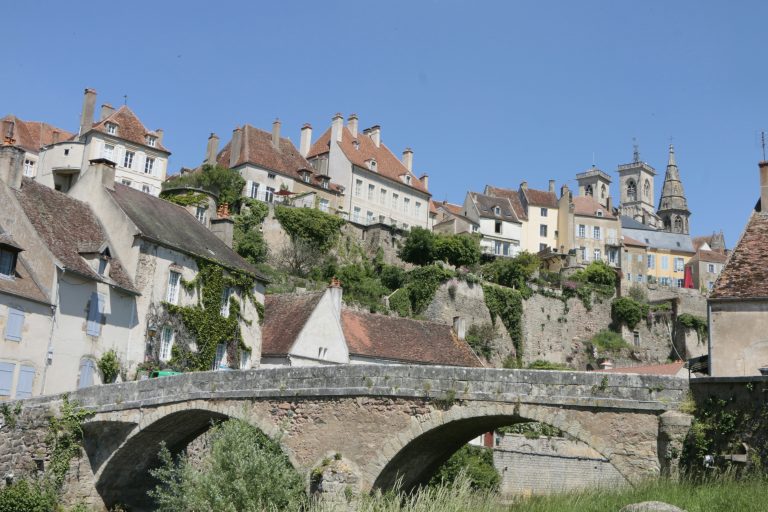
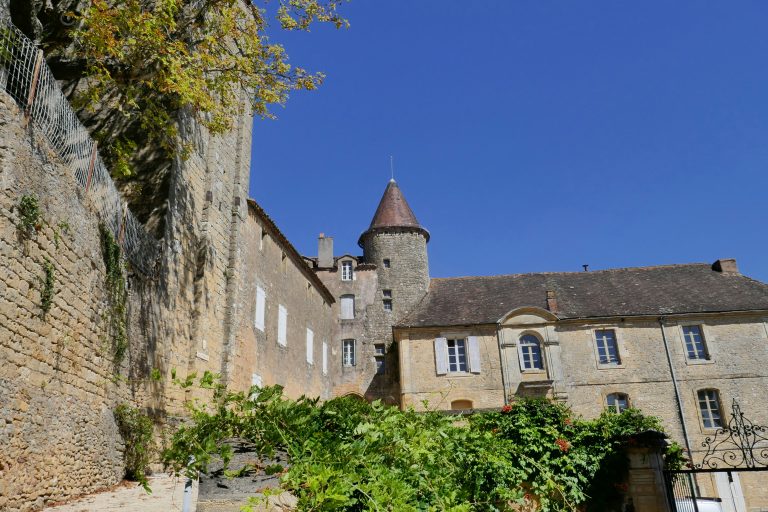
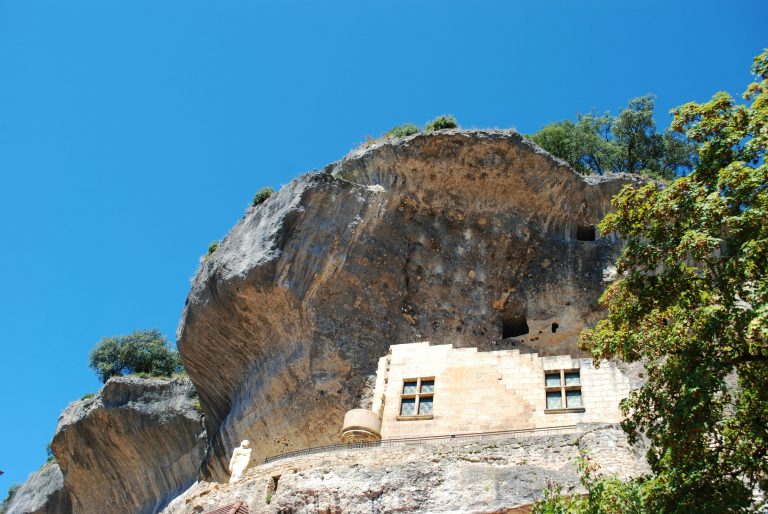
Sarlat gets all the attention, and fairly so. But the villages in Périgord Noir, the “black Périgord” named for its dense oak forests, hold some of the most dramatic scenery in France within a twenty-minute drive of the town. Clifftop fortresses, riverside villages built into limestone, and caves that held the first paintings ever made by humans.
This is the most visited of the four Périgords for good reason, so the villages below are worth timing carefully around the crowds rather than avoiding altogether.
Villages in Périgord Noir at a Glance
| Village | Known For |
|---|---|
| Domme | Clifftop bastide, panoramic valley views |
| Beynac-et-Cazenac | Medieval fortress above the Dordogne River |
| Castelnaud-la-Chapelle | Château and medieval warfare museum |
| Saint-Léon-sur-Vézère | Romanesque church, quiet riverside |
| Les Eyzies-de-Tayac | Prehistoric caves, capital of prehistory |
| La Roque-Gageac | Village built into the cliff face |
See It on Video
[Insérer ici la vidéo YouTube en mode visuel WordPress, jamais dans l’éditeur de code — recherche suggérée : “Beynac château Dordogne drone” ou “Périgord Noir villages aerial”]
Domme: The Balcony of Périgord
Domme sits on a clifftop bastide with what’s genuinely one of the best views in the entire Dordogne valley, looking down over the river snaking through farmland below. The village itself is well preserved, with a covered market hall and a network of caves beneath the town once used to shelter locals.
Sunset here draws a small crowd every evening in summer, and for good reason.
Good for: the single best sunset viewpoint in the area, best visited in the early evening to avoid the midday coach groups.
Beynac-et-Cazenac: The Fortress on the Cliff
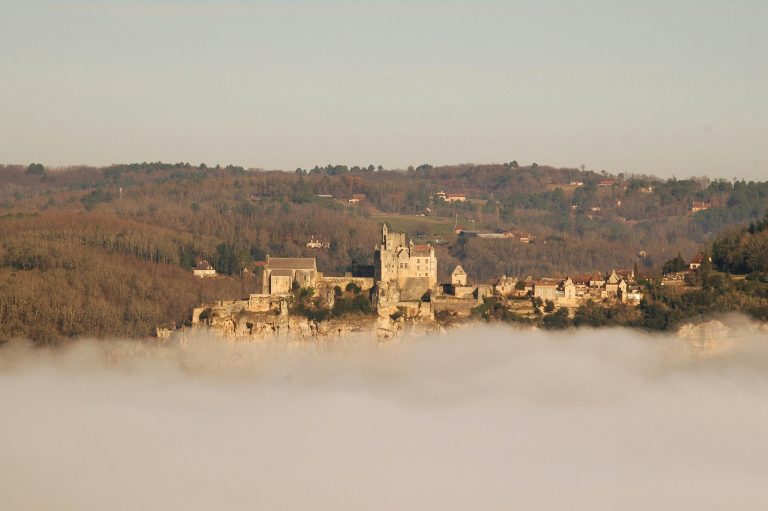
The Château de Beynac rises directly out of a limestone cliff above the village, one of the best-preserved medieval fortresses in France and a favourite filming location for period dramas. The climb up through the village’s narrow stone streets to reach it is steep but short.
The village below is quieter than Sarlat but no less photogenic, with houses built directly into the rock face in places.
Good for: castle enthusiasts and anyone wanting the classic Dordogne postcard shot.
Castelnaud-la-Chapelle: The Château That Explains the Others
Castelnaud’s château houses a genuinely excellent museum of medieval warfare, with full-size trebuchets and siege equipment on the grounds. It sits directly across the river from Beynac, and the two castles spent centuries as rivals during the Hundred Years’ War, which the exhibits explain well.
Good for: families and anyone who wants the history explained rather than just admired from a distance.
Saint-Léon-sur-Vézère: The One Nobody Mentions
This is the village I send passengers to when they say they’ve already “done” the famous spots and want something quieter. A handful of houses cluster around a genuinely beautiful 12th-century Romanesque church on the banks of the Vézère, with almost none of the tourist infrastructure found elsewhere in the valley.
Good for: a peaceful stop with no ticket booth, no gift shop, and usually no crowd.
Les Eyzies-de-Tayac: The Capital of Prehistory
Les Eyzies sits at the centre of one of the densest concentrations of prehistoric sites in the world, including the original Cro-Magnon shelter that gave early modern humans their name. The National Museum of Prehistory here is genuinely world-class and worth two or three hours on its own.
Good for: a half-day focused on prehistory, ideally combined with a nearby cave visit rather than rushed alongside château-hopping.
La Roque-Gageac: Already Covered in Full
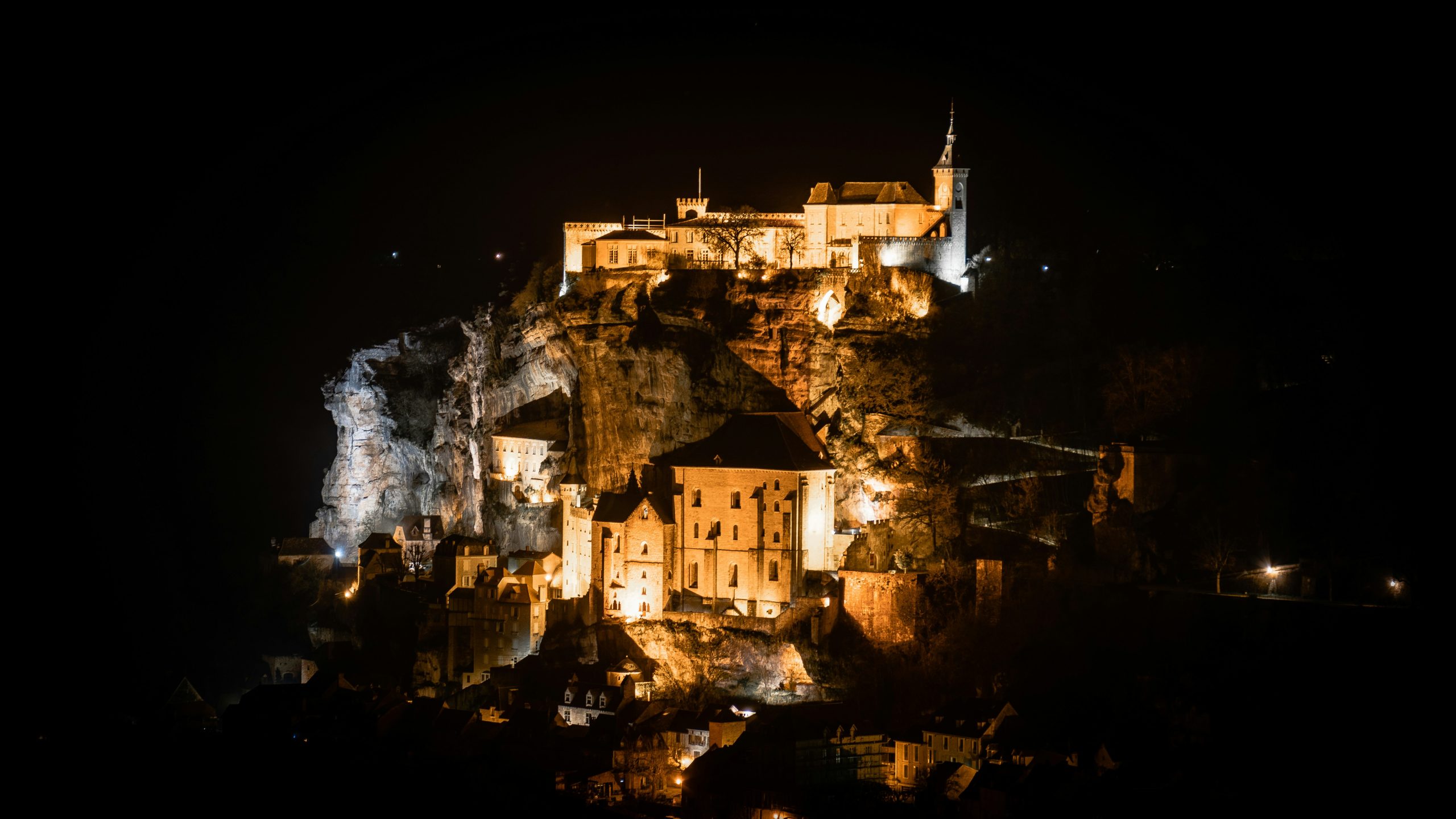
La Roque-Gageac, the village built directly into the cliff face above the Dordogne, is arguably the most photographed spot in the entire valley. It deserves its own detailed piece rather than a short mention here, so see our full guide to La Roque-Gageac for what to expect and how to avoid the worst of the crowds.
Practical Tips
This is the busiest of the four Périgords in July and August. Arriving before 10 am or after 5 pm at Beynac, Domme, and Castelnaud makes a genuine difference to both parking and crowds.
The official Lascaux site covers ticketing for Lascaux IV, the replica cave nearby, which usually needs booking well in advance in high season.
For a broader view of opening times and events across the valley, the Dordogne-Périgord Tourism board keeps an up-to-date calendar.
Booking accommodation centrally around Sarlat via Booking.com puts all six of these villages within a 20-minute drive. For Lascaux and the château circuit, a guided day tour is often easier than self-driving between timed entry slots. If you’re arriving by air, renting a car near Bergerac Airport is the simplest way in.
Frequently Asked Questions
Why is it called Périgord Noir?
The name comes from the dense oak forests that once covered the region, dark enough from a distance to earn the “black” description, distinguishing it from the limestone of Périgord Blanc and the vineyards of Périgord Pourpre.
How many days do I need for Périgord Noir?
Three to four days cover the highlights properly: one for Sarlat and Domme, one for the Beynac and Castelnaud château circuit, and one or two for Les Eyzies and the prehistoric sites. Rushing it into a single day usually means seeing everything and enjoying none of it.
Which château is better, Beynac or Castelnaud?
Beynac wins on atmosphere and views, largely unfurnished and left to speak for itself. Castelnaud wins on content, with its medieval warfare museum making the history far more accessible, especially for children. Most visitors do both, since they sit directly across the river from each other.
How does Périgord Noir compare to the other three?
Périgord Noir is the most visited and most dramatic, with cliffs, châteaux, and prehistoric caves. Périgord Blanc is calmer limestone country around Périgueux, Périgord Vert is greener and quieter further north, and Périgord Pourpre is vineyard and bastide country around Bergerac.
The Bottom Line
The villages in Périgord Noir earn their reputation as the most spectacular corner of the Dordogne, but the trick is spreading a visit across several days and several less obvious stops rather than trying to see Sarlat, Beynac, and Lascaux in a single rushed afternoon.
For the wider picture across all four Périgords, start with our Dordogne travel and expat hub. Our notes on the best villages in the Dordogne and hidden places in the Dordogne cover more of what’s nearby.