Best Villages in Périgord Vert: Hidden Guide for British Expats
The villages in Périgord Vert are the Dordogne’s best-kept secret. While most British expats head straight for Sarlat and the Périgord Noir, the green north of the département offers something increasingly rare — affordable property, genuine rural life, and a pace that even the quieter parts of the Périgord Noir can no longer match. I have driven through these villages for years. The passengers who discovered them rarely looked south again. This guide covers the villages in Périgord Vert that actually work for British expats — and why more people are choosing this part of the Dordogne than ever before.
Villages in Périgord Vert — at a Glance
| Village | Best For | Property Prices |
|---|---|---|
| Brantôme | Beauty, culture, river life | €150,000–€300,000 |
| Nontron | Authentic French life, low cost | €80,000–€180,000 |
| Ribérac | Expat community, services | €120,000–€250,000 |
| Jumilhac-le-Grand | Dramatic château, isolation | €70,000–€150,000 |
| Saint-Jean-de-Côle | Most beautiful village label | €100,000–€200,000 |
| Thiviers | Market town, truffle capital | €80,000–€160,000 |
Which Village Suits You?
If you are short on time, here is how I would match the village to the person. Want a ready-made English-speaking community? Ribérac. Want beauty and a proper town with services? Brantôme. Want to live as the French do, on a modest budget? Nontron. Want a quiet base and don’t need shops on the doorstep? Saint-Jean-de-Côle. Want markets and food culture without Sarlat prices? Thiviers. The sections below explain each choice in more detail.
What Makes the Périgord Vert Different
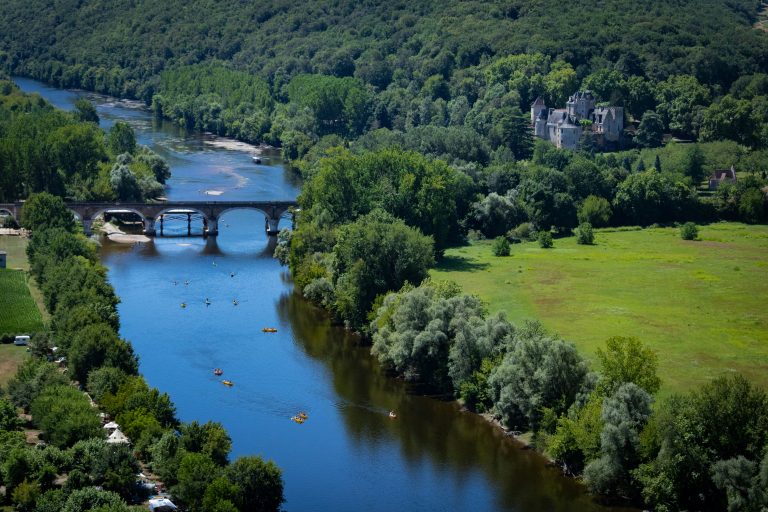
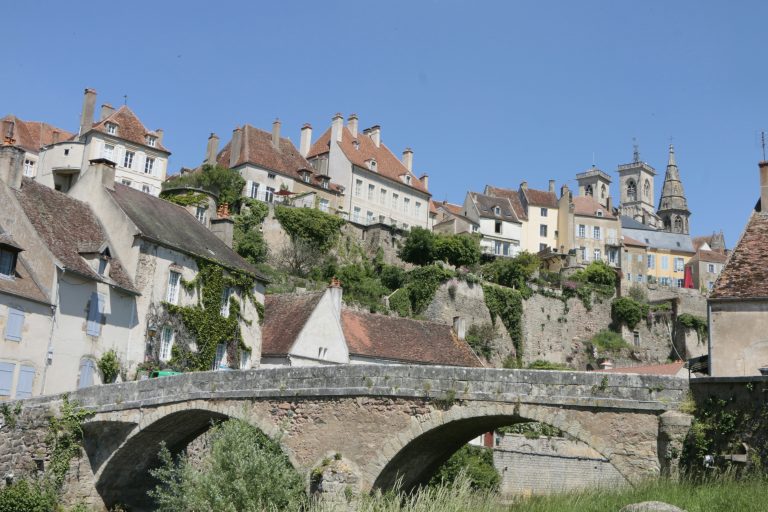
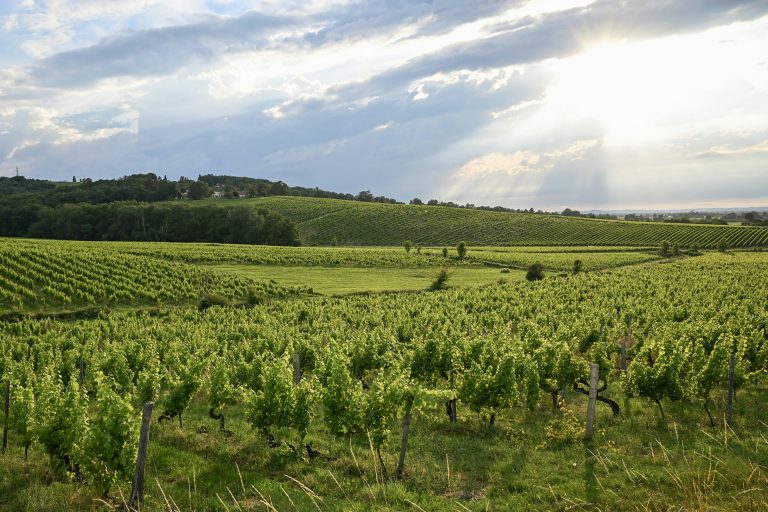
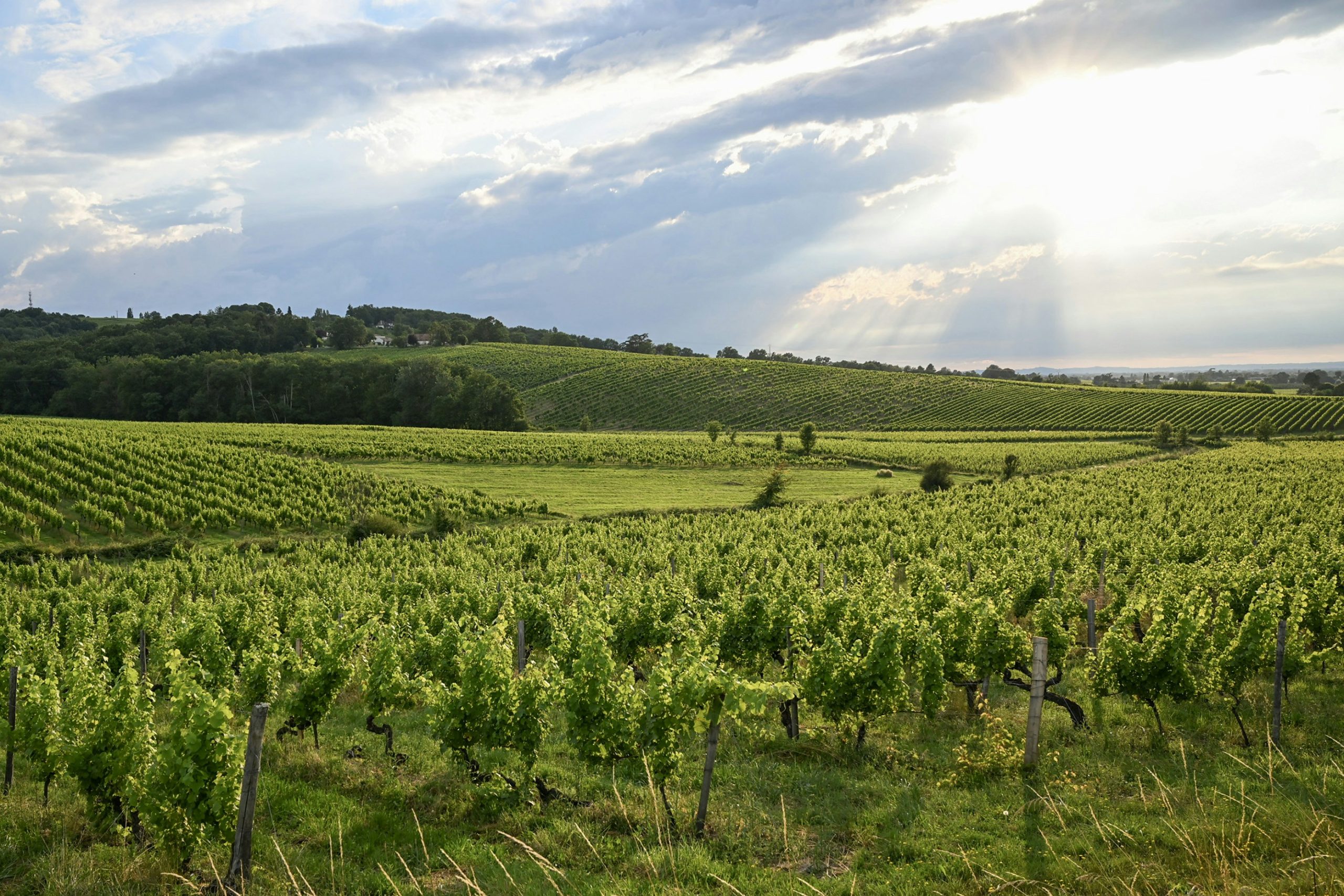
The Périgord Vert — named for its lush, forested landscape in the north of the Dordogne — is the least visited of the four Périgords. That is precisely its appeal. Where the Périgord Noir has become increasingly busy and expensive, the villages in Périgord Vert have retained something harder to find: a daily life that feels genuinely French rather than curated for visitors. The rivers here — the Dronne, the Isle, the Auvézère — are slower and less crowded than the Dordogne further south. The markets are smaller and less theatrical. The property prices are significantly lower. And the winters, while real, are no harsher than in the south of the region.
According to Dordogne Périgord Tourisme, the Périgord Vert covers the northern third of the département and is characterised by forests, rivers, and a density of medieval villages that rivals any area of France. It is also, consistently, the most affordable part of the Dordogne for property purchases — a fact that is driving growing interest from British expats priced out of the Sarlat area.
If you are still comparing regions, our pieces on the Périgord Noir, Périgord Blanc and Périgord Pourpre cover the other three, and our overview of the best villages to live in the Dordogne puts them side by side.
Brantôme — The Venice of the Périgord
Brantôme is the most beautiful town in the Périgord Vert — and arguably one of the most beautiful in France. Built on an island in the river Dronne, with a Benedictine abbey carved into a cliff behind the town, it has the kind of setting that makes first-time visitors assume they have accidentally arrived somewhere far more famous. The comparison to Venice is an exaggeration, but not entirely. The river wraps around the town on both sides. The abbey dates from the 8th century. The Wednesday market draws producers from across the northern Dordogne.
For expats, Brantôme offers a practical town with real services — doctors, pharmacies, shops, a good weekly market — alongside a quality of life that the more touristy towns in the Périgord Noir cannot match at this price point. Property in and around Brantôme runs €150,000–€300,000 for a renovated village house, with larger rural properties starting below €200,000.
If you’re visiting to scout the area, the abbey and the river are worth building a proper afternoon around — a guided visit or a gabare boat trip along the Dronne gives a much better sense of the town than a quick walk-through. Brantôme also features in our list of hidden places in the Dordogne.
Ribérac — The Expat Heartland of the Périgord Vert
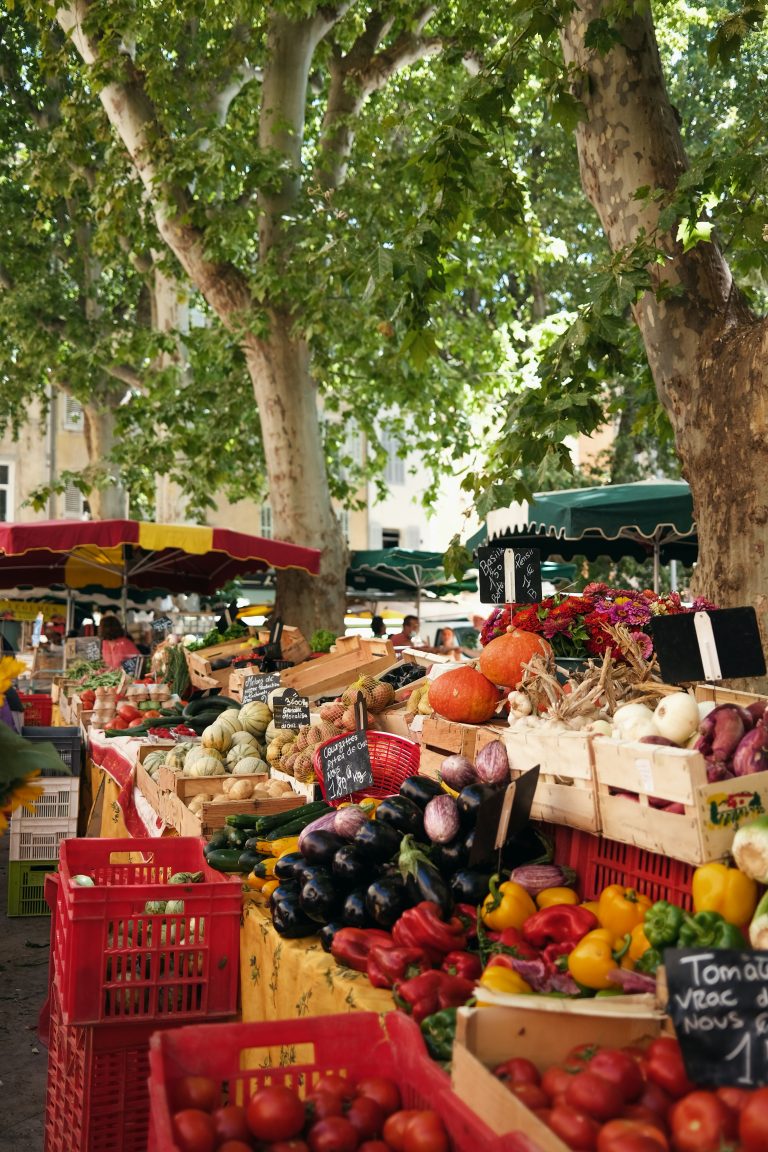
Ribérac is the village in Périgord Vert most familiar to British expats — and for practical reasons. The Friday market is one of the best in the region and has a notably international character, reflecting the large English-speaking community that has settled in the area around it. Doctors who speak English. A well-established expat social network. Services that assume not everyone speaks fluent French.
The town itself is not as visually dramatic as Brantôme, but the surrounding countryside — rolling farmland, small rivers, stone villages — is exactly what most British expats are looking for. Property prices here remain reasonable, with renovated village houses available from €120,000 and rural properties with land starting around €150,000. The area around Ribérac — Saint-Privat-des-Prés, Vanxains, Allemans — has one of the highest concentrations of British expats in the entire Dordogne.
Nontron — The Authentic Choice
Nontron is the préfecture of the Nontronnais — the northernmost district of the Dordogne — and one of the most genuinely French towns in the region. There is no expat bubble here. The market on Wednesday and Saturday is a real local market, not a tourist one. The town has all the services a retired couple needs — medical centre, pharmacy, supermarket, good restaurants — without the price premium that comes with proximity to Sarlat.
Property prices in and around Nontron are among the lowest in the Dordogne. A village house needing renovation can be found for under €80,000. A renovated property with a garden in a nearby village typically costs €100,000–€180,000. For expats who want to integrate fully into French life rather than live alongside a large English-speaking community, this area of the Périgord Vert is genuinely compelling. Our piece on learning French in the Dordogne is worth reading before you commit to somewhere this French.
Saint-Jean-de-Côle — Small and Perfect
Saint-Jean-de-Côle is one of the officially designated Plus Beaux Villages de France — and it earns the label. A medieval bridge, a Romanesque church, a château, and a river running through the centre combine to create one of the most complete village settings in the Dordogne. The village itself has fewer than 400 residents. It is not a place to live if you need regular shops and services. But for a base from which to explore the surrounding countryside, with Brantôme fifteen minutes away and Périgueux forty minutes, it works exceptionally well for the right kind of expat.
Thiviers — The Truffle Capital
Thiviers calls itself the capital of foie gras and truffles — and has the markets to back it up. The Saturday market is one of the best in the Périgord Vert, and the truffle market in winter draws buyers and producers from across the region. For expats who want to be close to the real food culture of the Périgord without paying Sarlat prices, Thiviers makes a strong case. Property is affordable, the town has solid services, and the train connection to Périgueux and beyond gives car-free options that most rural villages in the region cannot offer.
How to Get to the Périgord Vert
Périgueux, the capital of the Dordogne, sits on the southern edge of the Périgord Vert and is the most practical base for exploring the area. Bergerac Airport — with direct UK connections — is approximately one hour from Ribérac and Brantôme. A car is essential for daily life in all of these villages. Compare car hire prices at Bergerac Airport — the most practical starting point for a reconnaissance trip to the villages in Périgord Vert. For full route options, read our guide on getting to the Dordogne from the UK.
For a proper scouting trip, I would stay at least three or four nights rather than driving through in a day — compare places to stay near Brantôme and Ribérac and base yourself somewhere central, so you can see two or three villages without long drives.
⚠️ What to Know Before Choosing the Périgord Vert
The lower property prices reflect lower demand — and lower demand reflects fewer services and less infrastructure than the more popular south. Some villages in Périgord Vert have no permanent doctor, no boulangerie open six days a week, and limited broadband in older properties. Check practical services before falling in love with a particular village, and read our breakdown of healthcare in France for British expats to understand what you will need locally. The winters here are real — grey, damp, and quiet in a way that suits some expats and surprises others. Visit in January or February before committing to this area, not just in June when everything looks perfect. Integration is harder here than in the Ribérac or Eymet areas because the expat community is smaller — the upside is that French becomes essential faster, which most long-term residents consider an advantage.
Whichever village you are drawn to, renting in the Dordogne for six months before buying is the safest way to test it through a full winter. When you are ready to buy, our guide to buying property in the Dordogne covers the process step by step.
Villages in Périgord Vert — Frequently Asked Questions
Is the Périgord Vert cheaper than the Périgord Noir?
Significantly. Property prices in the villages in Périgord Vert are typically 30–50% lower than equivalent properties around Sarlat. The trade-off is fewer tourists, fewer English-speaking neighbours, and fewer of the services that the more popular areas have developed to serve international residents.
Is there a British expat community in the Périgord Vert?
Yes — particularly around Ribérac, where one of the most established English-speaking communities in the Dordogne has developed over several decades. Further north around Nontron and Jumilhac, the community is smaller and integration into French life is more complete. Our piece on Facebook groups for expats in the Dordogne lists the best places to meet people before you arrive.
What are property prices like in the Périgord Vert?
Village houses needing renovation start from €70,000–€90,000. Renovated properties with gardens typically cost €120,000–€220,000. Larger rural properties with land are available from €180,000 — a price point that would buy very little in the Périgord Noir. These are among the most affordable entry points in the Dordogne.
How far is the Périgord Vert from Bergerac Airport?
Ribérac is approximately one hour from Bergerac Airport. Brantôme is around 1h15. Nontron is closer to 1h30. All are accessible on direct D-roads without motorway driving — the journey itself is a good introduction to the landscape you are considering living in.
Is the Périgord Vert suitable for families?
Yes, with caveats. Schools exist in the main towns — Brantôme, Ribérac, Nontron, Thiviers — and are well regarded. The countryside is exceptional for children who spend time outdoors. The challenge is the distance from the concentration of English-speaking families that exists further south, which can matter more as children reach secondary school age. Our guide to schools in the Dordogne for expat children explains how enrolment works.
Is the Périgord Vert a good choice for retirees?
For many, yes. Brantôme, Ribérac and Nontron all have the doctors, pharmacies and supermarkets a retired couple needs, at prices well below the Périgord Noir. The main considerations are winter isolation and distance from hospitals, so check how far you would be from Périgueux before choosing a village. Our piece on retiring in the Dordogne covers the practical side in more detail.
The Bottom Line
The villages in Périgord Vert offer something the more famous parts of the Dordogne can no longer easily provide — affordable property, genuine French rural life, and space that does not feel shared with half of Britain in July. The villages in Périgord Vert reward the expat who wants to actually become part of somewhere, rather than settle into an English-speaking enclave. It takes more effort. It costs less money. And the people who choose it tend to stay.
For more on moving to the region, read our guides on the cost of living in the Dordogne and retiring in the Dordogne. For a complete overview, visit our Dordogne Travel Guide.
Disclaimer: Property prices and local services change regularly. Always verify current conditions with local estate agents and visit the area before making any decisions. This guide reflects information available in 2026.