Villages in Périgord Blanc Worth the Detour
Most visitors to the Dordogne head straight for Sarlat and the Vézère valley, and I don’t blame them. But some of the passengers I enjoy driving most are the ones who ask, almost apologetically, “Is there anything worth seeing that isn’t in the guidebooks?” The villages in Périgord Blanc, the limestone country around Périgueux, are usually my answer.
Périgord Blanc gets its name from the pale limestone plateaus that define the landscape here. It’s quieter than the Périgord Noir, greener than the Périgord Pourpre, and largely ignored by coach tours, which is exactly its appeal.
Villages in Périgord Blanc at a Glance
| Village | Known For |
|---|---|
| Sorges | France’s truffle capital |
| Chancelade | Romanesque abbey |
| Château-l’Évêque | Riverside château and quiet walks |
| Saint-Astier | Working town on the Isle river |
| Vergt | Strawberry country |
| Neuvic | Renaissance château and parkland |
Sorges: France’s Truffle Capital
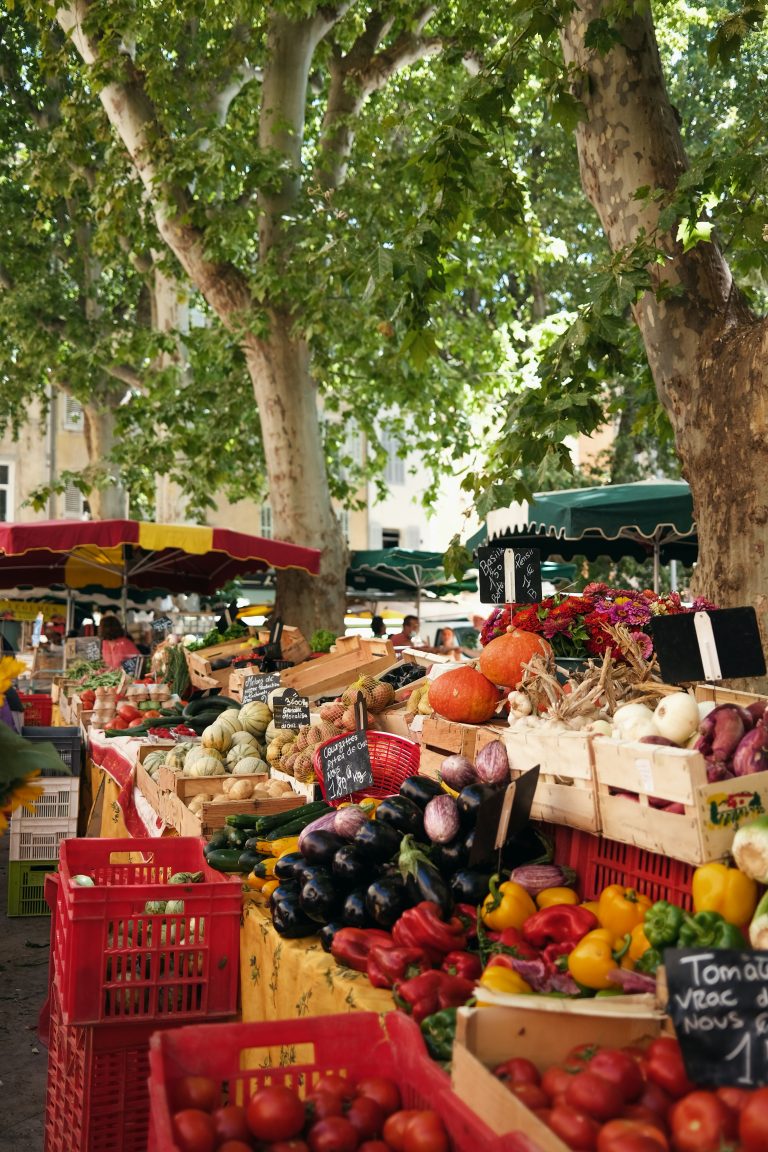
Sorges takes its truffles seriously enough to have built an entire museum around them, the Écomusée de la Truffe. Between November and March, the village hosts a genuine truffle market where local growers sell direct, no middlemen, no tourist markup.
Outside truffle season, a signposted walking trail through the surrounding oak woodland explains how truffles actually form, which is more interesting than it sounds when you’re standing in the exact soil where it happens.
Good for: food-focused day trips, particularly in winter when the rest of the Dordogne goes quiet.
Chancelade: The Abbey Nobody Visits
Chancelade sits just outside Périgueux, close enough for an afternoon detour, far enough to feel like a different world. Its Romanesque abbey, founded in the 12th century, gets a fraction of the visitors that similar sites attract elsewhere in France.
The grounds are peaceful rather than spectacular, which is precisely the point. Bring a book, sit by the abbey pond, and enjoy having the place largely to yourself.
Good for: a calm half-day, especially combined with a morning in Périgueux itself.
Château-l’Évêque: Riverside and Overlooked
Named for its château, once the residence of the bishops of Périgueux, this small village sits on the Beauronne river with a scattering of good walking paths nearby. It’s the kind of place with no single headline attraction, just a genuinely pleasant place to stop, stretch your legs, and have lunch by the water.
Good for: a lunch stop between Périgueux and the villages further north.
Saint-Astier: A Working Town, Honestly
Saint-Astier won’t win any prettiest-village awards, and it doesn’t try to. It’s a genuine working town on the Isle river, with a limestone quarrying history and a Friday market that serves locals more than tourists.
It’s worth including precisely because it shows a side of the Dordogne that postcards don’t: ordinary French life, unpolished and unbothered by visitors.
Good for: travellers who want a slice of everyday Périgord Blanc rather than another photogenic bastide.
Vergt: Strawberry Country
Vergt calls itself the strawberry capital of the Dordogne, and the fields surrounding it back that up every spring. The Sunday market fills with growers selling fruit picked that same morning, and the annual strawberry festival in April draws a genuinely local crowd rather than a tourist one.
Good for: a spring visit timed around the market or festival.
Neuvic: A Château With Grounds to Wander
Neuvic’s Renaissance château sits within a genuinely lovely park along the Isle river, open to the public and rarely crowded even in high season. The village itself is unremarkable, but the château grounds alone justify the stop.
Good for: families, given the space to let children run without worrying about traffic or crowds.
Getting Around Périgord Blanc
These villages sit within a fairly compact area around Périgueux, all reachable within 20 to 30 minutes by car. Public transport is thin outside Périgueux itself, so a car remains the practical option for exploring properly.
For day-trippers arriving from further afield, renting a car near Bergerac Airport is usually the easiest route in. Those wanting a guided introduction to the truffle culture around Sorges can also book a local truffle-hunting experience rather than exploring alone.
If you’re basing yourself locally for a few nights, a stay near Périgueux via Booking.com puts all six of these villages within easy reach.
Practical Tips
Truffle season in Sorges runs from November to March, with the market at its busiest on Thursday mornings. Outside this window, the museum still operates, but the atmosphere is quieter.
Most of these villages have limited restaurant options, so plan lunch stops around Périgueux or Saint-Astier rather than assuming every village will have somewhere open.
Several of these detours combine well with a visit to Périgueux itself, which anchors the whole Périgord Blanc area.
Frequently Asked Questions
What does Périgord Blanc mean?
Périgord Blanc, or “white Périgord,” refers to the pale limestone landscape around Périgueux, one of the four traditional regions of the Dordogne alongside the Périgord Noir, Périgord Vert, and Périgord Pourpre.
Is Périgord Blanc worth visiting if I only have a few days in the Dordogne?
If your time is limited, prioritise the Périgord Noir for the big-name sites first. Périgord Blanc rewards a slower visit and suits travellers who’ve already covered the highlights, or those specifically interested in truffles or quieter villages.
Can I visit Sorges outside truffle season?
Yes, the truffle museum and walking trail operate year-round, though the live market itself is only active from November to March.
How does Périgord Blanc compare to Périgord Vert?
Périgord Vert, further north, is greener and more forested, with a stronger focus on nature and outdoor activity. Périgord Blanc is drier limestone country, closer to Périgueux, with more of a food and heritage focus.
The Bottom Line
The villages in Périgord Blanc won’t fill an Instagram feed the way Sarlat does, and that’s rather the point. This is where you go once you’ve seen the postcard version of the Dordogne and want the quieter, everyday one underneath it.
For the wider picture across all four Périgords, start with our Dordogne travel and expat hub. See our notes on the best villages in the Dordogne for the region’s bigger names.